Siem Reap, Cambodia - Temples & Traditions
Details
Arrival for the Siem Reap to Bangkok travelers (Package 2)
Cambodia's gateway city to the legendary Angkor Archaeological Park balances ancient grandeur with modern sophistication. This charming destination in northwestern Cambodia offers far more than temples—you'll discover vibrant markets, meaningful social enterprises, refined dining, and genuine Khmer hospitality that makes it the perfect start to your Southeast Asian journey.
Your Temple Experience
Your guided tours showcase Angkor's most magnificent sites, a UNESCO World Heritage treasure and one of humanity's greatest architectural achievements.
Angkor Wat, the world's largest religious monument, is best experienced at sunrise when its five towers reflect perfectly in the lotus ponds. Your guide will lead you through intricate galleries adorned with bas-reliefs depicting Hindu epics and Khmer history—a 12th-century masterpiece that remains Cambodia's crown jewel.
Angkor Thom and the mesmerizing Bayon Temple await within the last great capital of the Khmer Empire. More than 200 enigmatic stone faces gaze serenely in all directions from the towers, creating an atmosphere unlike anywhere else on earth.
At Ta Prohm, massive tree roots embrace ancient stone in a dramatic interplay of nature and architecture. Made famous by "Tomb Raider," this photographer's paradise shows where the jungle has reclaimed its territory in the most photogenic way possible.
Your itinerary includes an Apsara dance performance—a graceful classical Khmer art form depicting ancient Hindu epics through intricate hand gestures and ornate costumes.
Beyond the Temples
During your free time, consider visiting the Angkor National Museum for air-conditioned comfort and fascinating exhibits that deepen your appreciation of Khmer civilization. Artisans Angkor offers free guided tours where you'll watch silk weavers, stone carvers, and lacquerware artists practicing traditional crafts—purchases support vocational training programs.
For a hands-on experience, half-day Cambodian cooking classes teach you to prepare fish amok (coconut curry) or lok lak (stir-fried beef), often including market visits that reveal the foundations of Khmer cuisine.
Dining Discoveries
Siem Reap's culinary scene ranges from street food to fine dining. Cuisine Wat Damnak offers a Michelin-recommended modern Khmer tasting menu, while Chanrey Tree provides elegant riverside ambiance with refined Cambodian dishes. For meaningful dining, Haven and Marum are training restaurants supporting disadvantaged youth—excellent food with positive impact.
Don't miss traditional dishes: fish amok steamed in banana leaves, beef lok lak with lime-pepper sauce, kuy teav (breakfast noodle soup), and nom banh chok (rice noodles with fish curry).
Temple Tour Essentials
Tours typically start early (around 5-5:30 AM for sunrise) to beat crowds and heat. Dress modestly with covered shoulders and knees—lightweight, breathable long pants and sleeved shirts work best. You'll walk several miles; comfortable, broken-in walking shoes are essential. Your Angkor Pass is included in your tour package.
April Climate
April marks one of Siem Reap's warmest months, with daily highs reaching 95-100°F (35-38°C). The heat is intense but manageable with proper preparation. Bring high SPF sunscreen (50+), a wide-brimmed hat, sunglasses, and drink water constantly—your body needs 3-4 liters daily in these conditions. Schedule midday relaxation during peak heat (11 AM-3 PM) for pools, air-conditioned museums, or spa treatments.
Practical Notes
US dollars are widely accepted—bring small bills. Tuk-tuks cost $3-5 for short trips within town; negotiate prices beforehand or use the Grab app for transparent pricing. English is widely spoken in tourist areas. Remember that Cambodia is a conservative Buddhist country—modest dress, removing shoes when entering temples, and respectful behavior honor local customs.
Connecting to Your Cruise
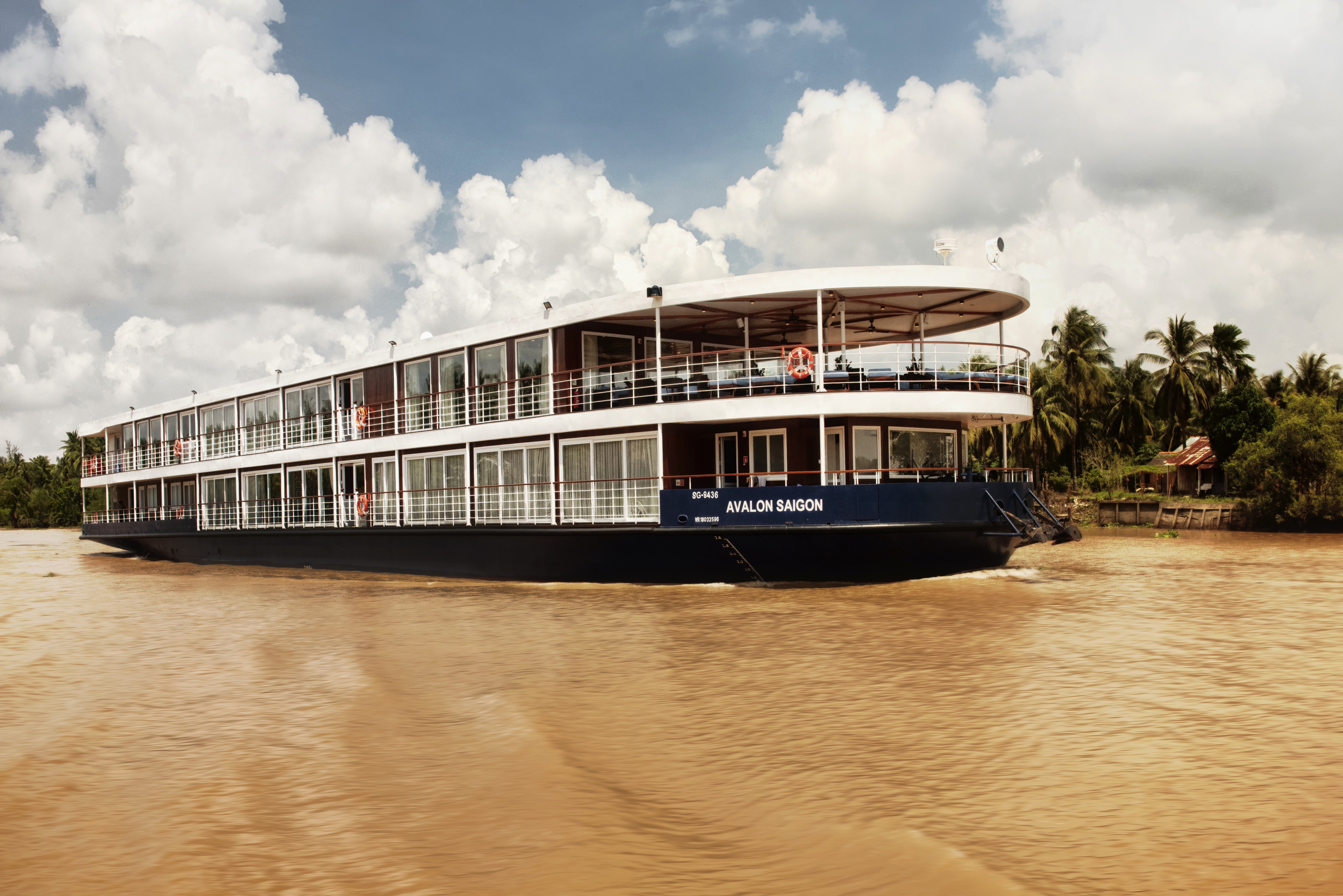
After exploring Siem Reap, you'll fly to Phnom Penh to board the Avalon Saigon for your Mekong River cruise. Your tour operator coordinates all transfer logistics, creating a seamless transition from ancient wonders to contemporary river life.
Port Info
Schedule
Start Time
Apr 5