Inside Passage (Alaska)
Details
Destination Overview
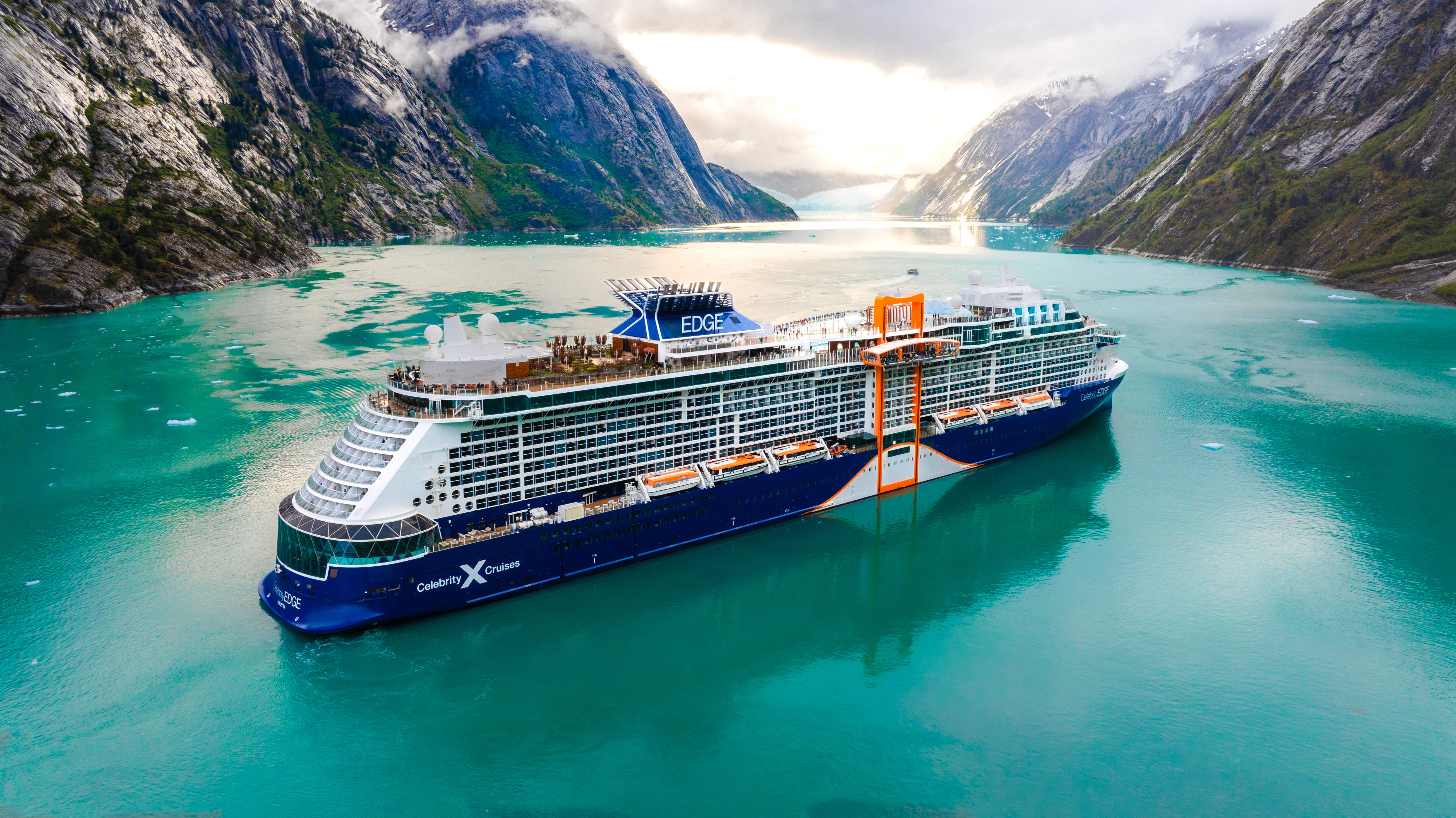
Imagine a voyage where the horizon keeps changing moods: glacial blue calving fronts, spruce‑fringed islands, and tidy seaside towns where eagles outnumber traffic lights. The Inside Passage along Alaska’s southeast coast is a sheltered watery corridor threading the Tongass National Forest and dozens of island communities between the Pacific and the continental mainland. On your 7‑night Dawes Glacier cruise you’re traveling a classic route — it’s equal parts wilderness theatre and intimate cultural encounters. Days feel large here; wildlife and glaciers serve the slow, cinematic rhythm that makes Alaska unforgettable.
Climate & Seasons
Summer in the Inside Passage (June 22, 2027 sits right in the prime window) is mild and long on daylight. Expect: shorter, cool nights and daytime temperatures typically between the mid‑40s and mid‑60s °F (8–18 °C). Rain is frequent — think damp drizzles and momentary downpours rather than nonstop storms — so layers and good rain protection are essential. June is especially generous for wildlife activity, bird migration and peak glacier melt (the dramatic calving you came for).
Top Highlights & Attractions
I’ll point out the places and moments that stay with you long after you unpack: a mix of grand spectacles and quieter discoveries.
- Dawes Glacier (Endicott Arm) — The main event: a tidewater glacier that makes thunderous calving sounds and sends towers of ice into the sea. Bring binoculars and stand ready on deck when your ship slows.
- Glacier Viewing & Fjord Scenery — Narrow fjords, sheer cliffs and hanging glaciers create postcard after postcard; watch for waterfalls tumbling straight into the water.
- Juneau — Alaska’s capital with easy access to Mendenhall Glacier, excellent salmon and a lively small‑city vibe of outdoor shops and local museums.
- Skagway — History lives here: the Klondike Gold Rush town with wooden sidewalks, restored saloons, and the famous White Pass & Yukon Route railway.
- Ketchikan — Tlingit and Haida cultural centers, the Totem Bight State Historical Park, and fish‑packed streams during salmon season.
- Tracy Arm and Endicott Arm (possible alternatives/en route sights) — Narrow, dramatic channels often visited on Inside Passage itineraries for more close‑up ice and wildlife viewing.
Experiences & Activities
Here are ways to turn each day into a memory, from active adventures to slow, contemplative hours on deck.
- Before breakfast, take deck duty: dawn light on the water is when sea otters, porpoises, and whales are often most active.
- Book a small‑boat excursion or zodiac cruise in a fjord (if offered) to approach glaciers and icebergs with minimal disturbance.
- On shore days, choose between guided rainforest hikes (Tongass National Forest trails are mossy, emerald and alive) or a cultural walk in native village centers to meet local artists and storytellers.
- In Juneau, try a helicopter or floatplane trip that lands on a glacier — a spectacular way to stand on ancient blue ice and understand the scale of these landscapes.
- Ride the White Pass & Yukon Route railway out of Skagway for one of North America’s most scenic narrow‑gauge rail journeys through alpine passes and historic mining camps.
- If you want a quieter day, take a fishing lodge shore excursion for a chance to catch — and cook — wild salmon or halibut.
Food & Drink
You’ll find terrific fresh seafood and hearty Alaskan fare both on board and ashore. Here are flavors and places to seek out.
- Sample local staples: fresh wild salmon, halibut, and smoked fish; try reindeer or game where available for a true north flavor.
- In Ketchikan, track down a local smokehouse for traditional smoked salmon and spot prawns when they’re in season.
- Juneau has outstanding microbreweries and restaurants that highlight foraged berries, local mushrooms, and Alaskan shellfish — perfect for a relaxed evening ashore.
- Onboard, make the most of deck dining when available: hot chowders, crab legs and simple grilled fish taste dramatically better with salt air and a glacier view.
Shopping
Bring home a piece of place: Alaskan crafts and edible souvenirs are both excellent choices.
- Look for Tlingit, Haida, and Tsimshian carvings and woven items — small, authentic pieces (carved pendants, woven spruce root baskets) are easier to pack than large totem carvings.
- Purchase locally crafted silver jewelry featuring traditional designs and modern interpretations.
- Pick up smoked salmon, jams made from local berries (salal, salmonberry), and small‑batch honey as portable gifts.
- In Juneau and Ketchikan, browse galleries for prints, paintings and native art; ask about provenance to support community artists.
Getting There & Around
Your cruise starts and ends at scheduled ports — typically Seattle or Vancouver for southbound voyages and an Alaskan port for roundtrips. Once onboard, your ship will be the easiest way to cover long distances between towns; ashore: shuttle services, local taxis and well‑marked walkable downtowns are the norm.
- Airports: major gateways are Seattle–Tacoma (SEA) or Vancouver (YVR) depending on your itinerary — both have numerous onward options to Alaska for pre‑ or post‑cruise time.
- Transfers: plan for early arrival into your embarkation city the day before boarding to avoid weather delays affecting your cruise start.
- Onshore mobility: towns like Juneau and Ketchikan are compact and walkable; organized excursions provide transport to more remote trailheads and heli bases.
Insider Tips
Small habits make big differences afloat in the Inside Passage — here are practical, insider notes to help you travel like someone who’s been here before.
- Dress in layers: a base layer, an insulating midlayer, and a waterproof outer shell will cover most weather possibilities. A brimmed rain hat keeps drizzle off your face for photography.
- Binoculars and a telephoto lens: essential for whale checks, glacier details and distant wildlife. A wind‑resistant tripod or monopod helps steady shots from ship decks.
- Time your coffee runs: wildlife often appears in the hour after dawn and the hour before dusk — these are your best deck shifts.
- Tipping and local customs: gratuities vary; consult your cruise notes, and remember that small shore vendors often appreciate cash in modest bills.
- Respect wildlife rules: keep distance, stay quiet during whale encounters, and never approach or feed animals onshore.
Photo‑Worthy Spots
I’ve highlighted exact moments that reward a little patience and a keen eye — keep your camera ready.
- The face of Dawes Glacier at midday or late afternoon when shadows give texture to the ice.
- Sunset from the ship’s stern as islands stack one behind another — the long Alaskan twilight can produce incredible color.
- Mendenhall Glacier overlook in Juneau for expansive icefield photos framed by primaeval spruce.
- The narrow sections of Tracy Arm or Endicott Arm: steep cliffs, hanging glaciers and floating ice make for cinematic images.
- Closeups of totem poles in Ketchikan with saturated forest greens behind them.
Quick Facts
A short reference for the essentials as you travel.
- Currency: U.S. dollar (USD)
- Time zone: Southeast Alaska mostly uses Alaska Time (AKST/AKDT) — check local daylight saving rules for specific ports
- Official language: English; many communities also speak Indigenous languages (Tlingit, Haida, Tsimshian)
- Voltage & plugs: 120 V, Type A/B (same as continental U.S.)
- Visas: U.S. entry requirements apply if your cruise embarks in the U.S.; confirm visa/ESTA needs for all travelers well before June 22, 2027.
Enjoy the slow, story‑filled pace of the Inside Passage. There’s theater in every fjord and a calmness to travel here that feels like a permission to slow down — listen for the glacier’s rumble, watch for the porpoise bow wave, and let the long northern light do the rest.
Port Info
Schedule
Start Time
Jun 22 6:30PM UTC
to
End Time
Jun 22 10:30PM UTC