Cruising by Hubbard Glacier, Alaska
Details
The Overachiever Glacier
Here's what makes Hubbard Glacier remarkable: while most glaciers around the world are retreating, this one is actually growing. It's advanced 1.5 miles since 1895, earning it the nickname "the galloping glacier" for its relatively fast movement.
At six miles wide where it meets the ocean and 76 miles long, Hubbard is genuinely massive. What you're looking at when you see it is ice that's been forming for centuries, fed by an enormous snow accumulation area that keeps this glacier healthy and advancing.
The real drama happens when the glacier calves – that's when chunks of ice break off and crash into the water. These aren't small pieces; we're talking about icebergs three to four stories tall thundering into the sea. Locals call the sound "white thunder," and it's something you feel as much as hear.
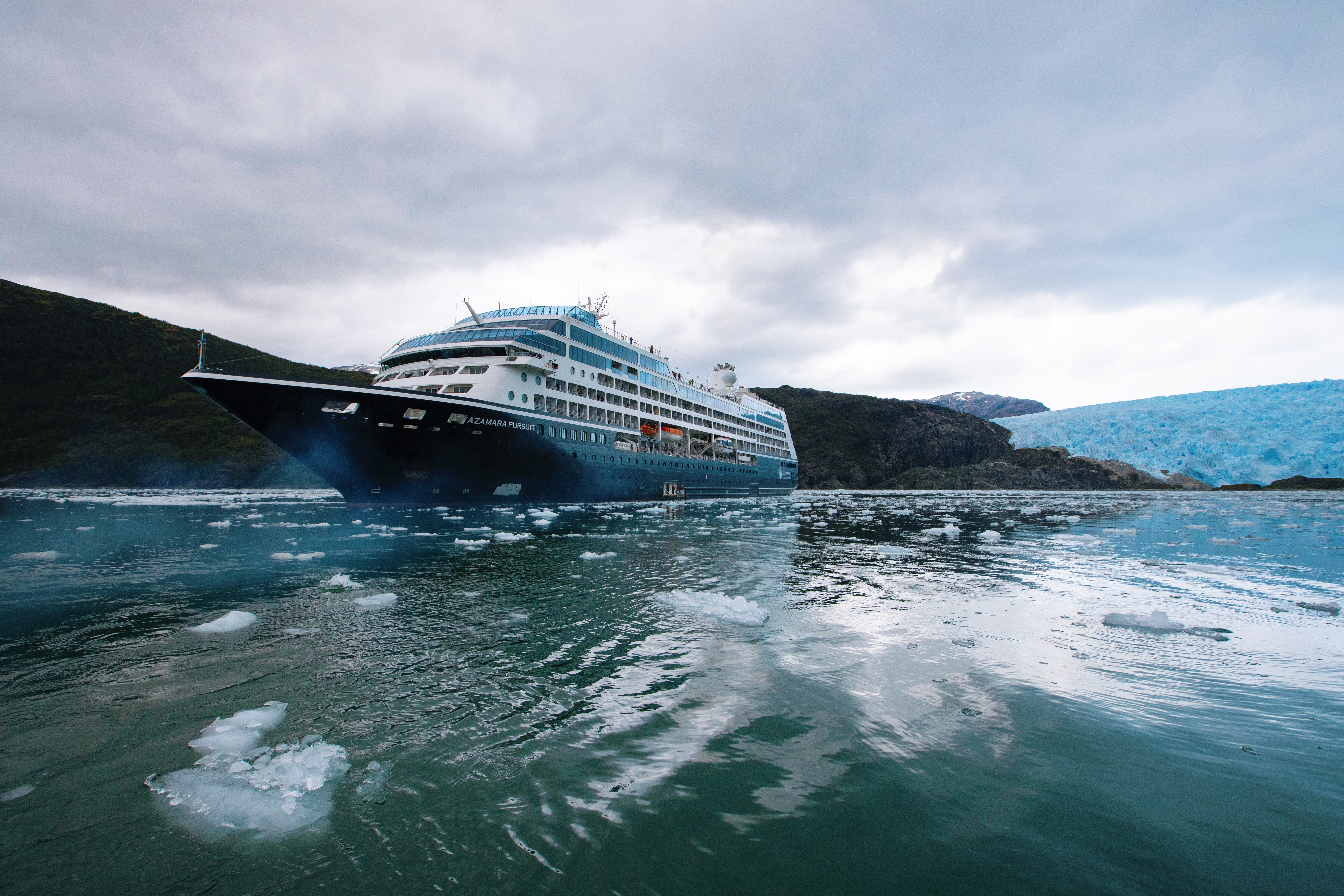
Your ship may get within half a mile of the glacier's face, which can tower up to 400 feet above the water. The exact distance depends on ice conditions and safety considerations – sometimes the glacier's own ice prevents closer approaches, which is just part of experiencing this living, moving natural wonder.
What you're witnessing is geological time in action. That push moraine you might spot – the bulldozed sediment at the glacier's edge – tells the story of the glacier's powerful advances over time. And because this is part of the larger Glacier Bay ecosystem, you'll likely see seals, sea lions, and various seabirds that make this icy environment their home.
Hubbard Glacier offers something increasingly rare: the chance to witness a natural system that's thriving rather than retreating, a reminder of the incredible forces that shaped Alaska.
Port Info
Schedule
Start Time
Jul 20 7:00AM AKDT
to
End Time
Jul 20 12:00PM AKDT