City Guide - Dubrovnik
Details
Dubrovnik Travel Guide
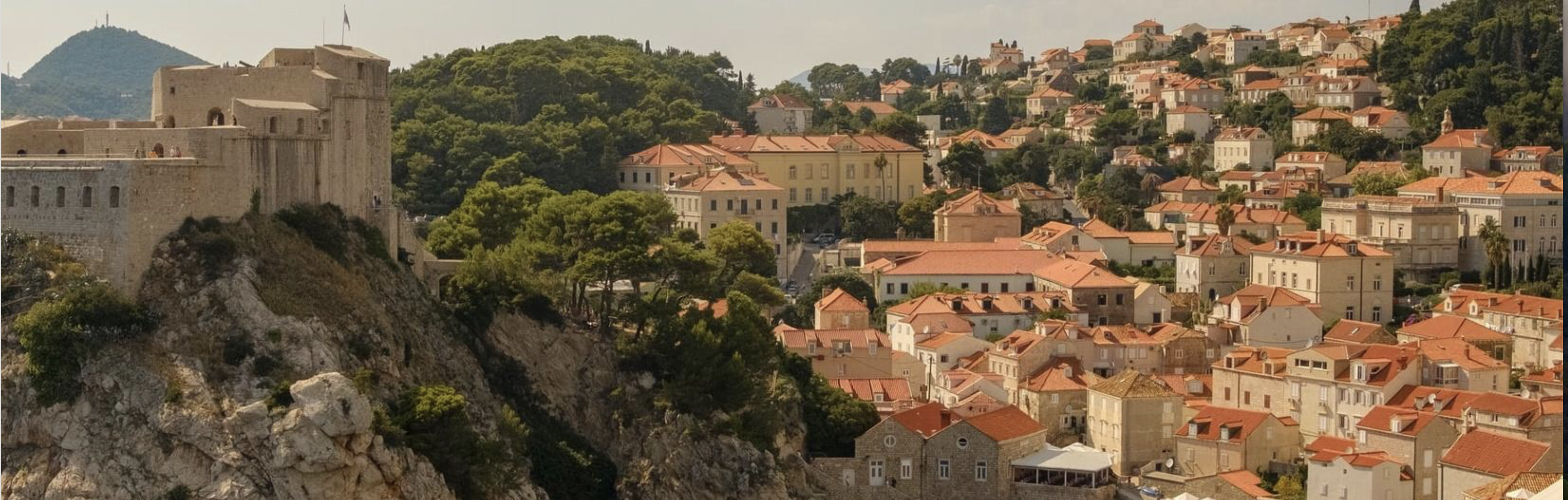
Known for its luxury accommodation, excellent cuisine and beautiful surroundings, this unique Adriatic port has been luring travellers for centuries. From a turbulent history during which it was occupied and conquered by a succession of neighbouring European powers, Dubrovnik has emerged as a city at peace, allowing visitors to make the most of its historic architecture, white pebble beaches and crystal-clear ocean waters.
The Old Town is a UNESCO World Heritage Site, dating from the 7th century. Its 13-century walls enclose well-preserved buildings representing a cross-section of Baroque, Gothic and Renaissance architecture, while Onofrio's Fountain is one of Dubrovnik's most famous landmarks, found just inside the main entrance to the old city at Pile Gate.
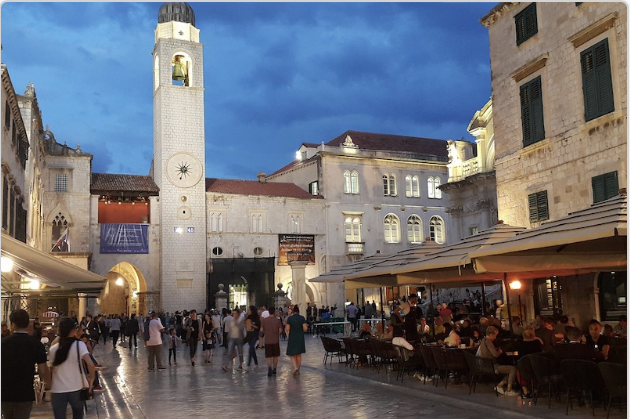
The centre of the Old Town is its main street called the Stradun, which was originally a channel separating an island from the mainland. It was filled in to join two towns into the merged city of Dubrovnik.
There are many churches, monasteries and museums to explore, while the Old Town boasts plenty of restaurants, bars and shops. The coastal belt is awash with pretty marinas, coves and promenades, while most hotels and the best beaches are located northwest of the Old Town, at Lapad, or in Ploce to the northeast.
Dubrovnik is a favourite on European cruise itineraries and many tourists arrive by sea, ferrying in to the charming old port. Although Dubrovnik will delight cruise passengers with only a few hours to kill, it's incredibly rich in history and culture and can easily occupy travellers for days. The city is also well situated as a travel hub for exploring the villages and islands dotted along the dramatic Dalmatian Coast of Croatia.
Things to Do:
With its quaint cobblestone streets and red-tiled roofs, Dubrovnik makes an amazing holiday destination for visitors from all walks of life. Its sublime location on the Adriatic Coast means it's a popular European travel spot, featuring Baroque churches, monasteries and palaces built behind iconic city walls in the UNESCO-listed Old Town.
Visitors can enter through Pile Gate and admire the imposing Fort Lovrijenac or journey to the Rector's Palace, housing the Cultural History Museum. One can also delve into more recent historic events with the powerful exhibitions of War Photo Limited.
A short cable car ride up the hill lies Mt Srd, presenting stunning views of the Old Town and the Elafiti Islands. Dominating the bay is the forested island of Lokrum, just a 10-minute ferry ride from Old Harbour. Visitors should take in the Benedictine monastery, pose on a replica of the Iron Throne from Game of Thrones and wander through lush botanical gardens.
Dubrovnik boasts a superb bus service, with key tourist routes running long past midnight in peak season. Discounted fares can be bought at a newsagent (tisak), and journeys to Old Town from Gruz or Lapad take just 15 to 20 minutes.
Those willing to brave the masses of July and August can explore the annual Dubrovnik Summer Festival of music, theatre, dance and film. But for most people, the best time to visit is May to June, or September to October, when the sun is out, the sea is warm and the crowds are noticeably thinner.
Dubrovnik Old Town
Dubrovnik's picturesque Old Town is the most renowned tourist destination in Croatia. Added to the UNESCO World Heritage List in 1979, it is one of the world's finest and best-preserved medieval cities, and lies against a gorgeous backdrop of rugged limestone mountains.
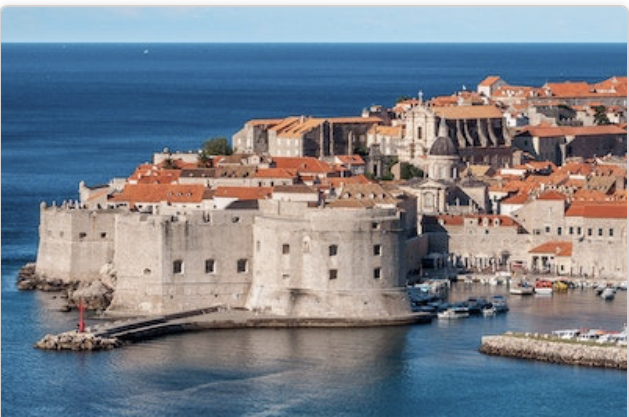
The destination is perhaps best known for its medieval walls, which were laid out in the 13th century and became an ongoing project for almost two hundred years. The fortified walls are up to 10 feet (3m) thick on the sea side and at least twice as thick on the land side, reaching up to 82 feet (25m) in height. Any first-time sightseeing tour of the city should begin with a walk around these sturdy old ramparts, which incorporate fortresses, towers, and cannons along the way. From high up on the walls, visitors can enjoy amazing views over the Old Town rooftops and out across the glistening Adriatic Sea.
Dubrovnik's unforgettable Old Port is just a 10-minute bus ride away from the Old Town, and boasts fantastic sightseeing opportunities and intriguing, small markets along its tiny cobblestoned streets. The rich history and quaint shops of the Old Port make Dubrovnik a popular cruise port, with liners anchoring at the modern Port of Gruz less than two miles (2,5km) from the Old Town. Different kinds of boat tours depart from the harbour, offering visitors a wonderful chance to explore the stunning coastline and learn about the port's history. The detached sentinel of Lovrijenac Fort to the west of the Old Town is also worth a visit.
Stradun
The biggest, longest and widest street in Dubrovnik, the grandiose Stradun dates back to the 13th century, while its uniform houses were mostly built more than 300 years ago. The commercial, entertainment and spiritual home of Dubrovnik, the limestone-paved Stradun is the best place to get a feel for the pulse of Croatia's capital. It holds many of the city's monuments and some great restaurants and shops. One of its more famous attractions is Onofrio's Fountain, which is located in a small square near the Pila Gate and Franciscan Monastery. Built in 1438 by a famous Italian architect from Naples, Onofrio della Cava, this large fountain is considered a masterpiece of its time.
Sponza Palace
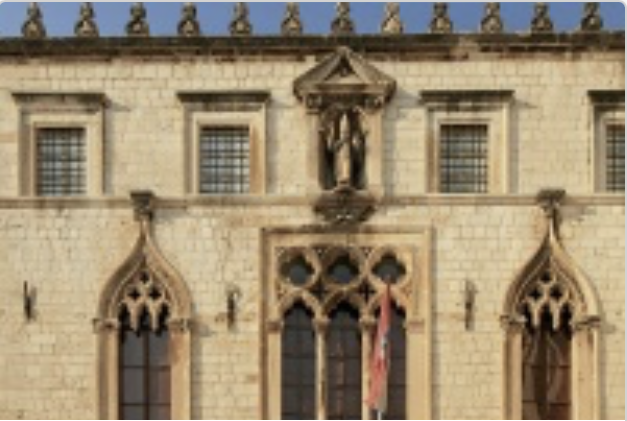
Built between 1516 and 1522, the Sponza Palace was the centre of medieval Dubrovnik. A mixture of Gothic and Renaissance architectural styles, it's one of the most beautiful and well-preserved palaces in the city. It has been suggested that the style of building gives some indication of what public buildings in Dubrovnik may have looked like before they were destroyed in an earthquake in 1667. Although this natural disaster caused considerable destruction to Dubrovnik, the palace itself was largely undamaged. Today, it houses the Dubrovnik archive, which contains 7,000 volumes and about 100,000 individual scripts. The atrium of the palace is an art gallery showcasing various exhibitions from contemporary artists, as well as those prominent in Dubrovnik's past.
Cathedral Treasury
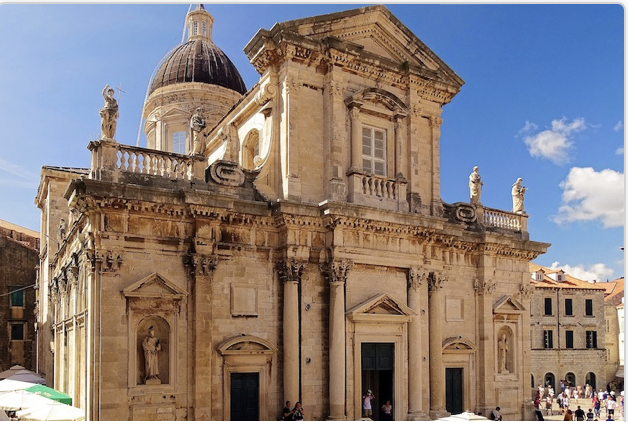
Dubrovnik has had at least three cathedrals on the same site during its long history. The first was a Byzantine building dating from the 7th century; the second a Romanesque Cathedral destroyed by a great earthquake; and at present the beautiful Baroque structure completed in 1713. Within the current Cathedral of the Assumption of Mary, there are several magnificent statues and paintings, including a work by Titian dating back to about 1552. As well as valuable art, the cathedral has stunning Baroque features as well as a treasury, filled with hundreds of relics, artefacts and religious icons.
Korcula Island
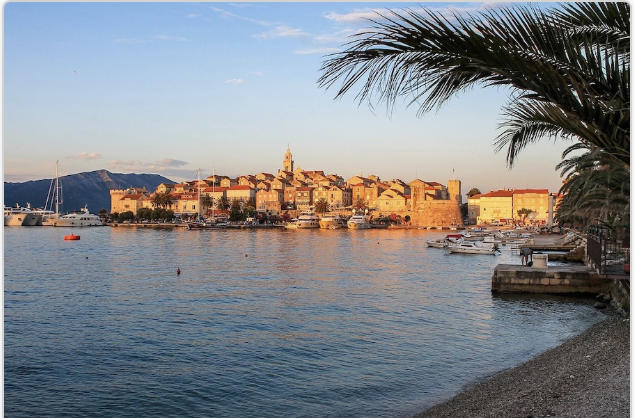
Korcula Island is one of the biggest on the Adriatic, boasting verdant vineyards, dense pine forests, secluded beaches and olive groves. The main town juts out into the sea, and is typically Dalmatian in character, with red-roofed houses and enclosing walls. Some sources say Marco Polo was born here and his rumoured house is now a museum open to the public. Korcula Town is also famous for its 15th-century Moreska sword dance, which is performed during summer.
Other towns on the island include Vela Luka and Lumbarda, which are surrounded by vineyards and coves. Korcula is said to have been a favourite Greek holiday spot over 2,000 years ago and, since then, it hasn't stopped delighting visitors with its culture and green landscapes. Of the 1,000 or so islands in Croatia, Korcula is often ranked most highly as a holiday destination.
Website www.korculainfo.com
Mljet Island
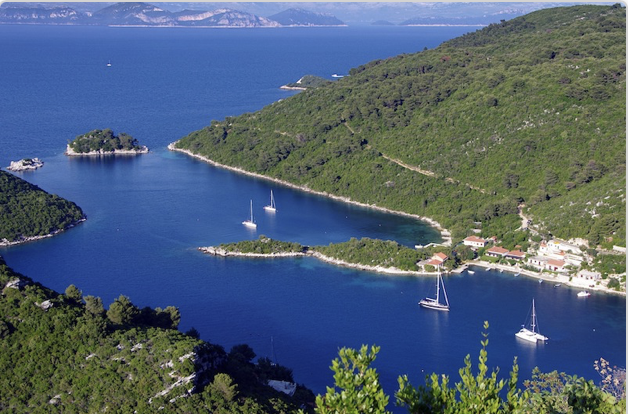
Covered by small villages, forests and vineyards, Mljet is famous for its national park. Main attractions include the two saltwater lakes of Veliko Jezero and Malo Jezero, as well as a 12th-century Benedictine monastery. Mljet is said to be Croatia's greenest island, the beauty of the unspoilt oasis attracting nature lovers and those in search of peace and tranquillity. It's popular with couples because of the pristine natural beauty and lack of crowds, making it ideal for romantic getaways. It is also a great option for those who enjoy outdoor activities such as hiking, swimming, mountain biking, hunting, fishing and kayaking. There are regular ferry connections with Dubrovnik.
Website www.mljet.hr
Dubrovnik Climate and Weather
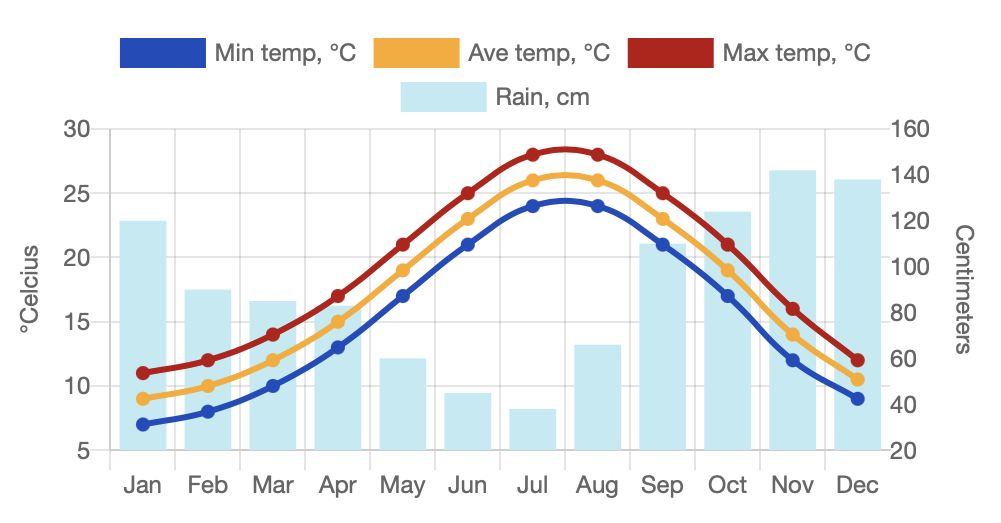
Dubrovnik has a typical Mediterranean climate, with hot, dry summers and mild, wet winters. Summer days can be intensely hot, but humidity is moderate and gentle breezes ensure cool, pleasant evenings. Summer temperatures between June and August average around 79F (26C) but temperatures can rise to well over 86F (30C), especially in the southern region. Winters are significantly colder but they are not severe and snow is unusual along the coast. In winter (November to February) temperatures occasionally drop below freezing point on the coast but in Dubrovnik daytime temperatures tend to average around 48F (9C). The wettest months are October, November and December.
The peak tourist season in Dubrovnik is in the summer months when the weather is at its hottest, but the best time to visit is arguably September or May, because in these months it's still warm enough to enjoy the incredible coastline but the city is less crowded and slightly less expensive.
Getting Around
Dubrovnik has an efficient public bus system, usually running from 5am to midnight. Tickets can be bought from a kiosk (tisak) or vending points found on major bus routes. Cards can also be bought, allowing unlimited travel for anything from an hour to a full day.
Dubrovnik is a wonderful city to explore on foot, as many of the main sightseeing attractions are in pedestrianised areas. The Old Town is pedestrianised, so taxis cannot enter and those with rental cars park in specially designated spaces outside the gates.
But metered taxis are generally available at hubs such as major bus stations, Gruz harbour, Pile Gate and Ploce Gate. Regular ferries connect the city to nearby islands in the Croatian Archipelago and it's seldom difficult to find transport to outlying areas and nearby towns.
Renting a car is one of the best ways to get around Croatia, but travellers need to be confident drivers to handle local road etiquette. That said, roads are well maintained and having a car allows visitors more freedom and independence to explore outlying parts of Croatia.
Dubrovnik Airport (DBV)
Location
The airport is situated about 15 miles (24km) south of Dubrovnik.
Getting to the city
Public buses depart from airport and the taxi stop is in front of the passenger terminal of Building B.
Time
Local time is GMT +1 (GMT +2 from last Saturday in March to end of October).
Car rental
Car hire companies at the airport include Hertz, Avis, Budget, and Thrifty.
Facilities
A bank and exchange office are open daily. There are also souvenir shops, duty free, and snacks and drinks available.
Parking
There is a parking lot attached to the airport, offering both long-term, and short-term rates.
Croatia travel info
Electricity
Electrical current is 230 volts, 50Hz. European-style, round, two-pin plugs are standard.
Language
The official language is Croatian.
Money
The official unit of currency is the euro, which was introduced on 1 January 2023. ATMs are plentiful throughout the country and banks, authorized bureaux de change, post offices and most hotels exchange foreign currency. Banks open Monday to Saturday and some banks also open on Sundays in the main cities. Major credit cards are widely accepted at the main hotels and restaurants, and may be used to draw cash from ATMs, which are widely available throughout the country.
Tipping
A tip of 10 percent will be appreciated in tourist or upmarket restaurants, though it's common to simply round up the bill if the service has been good in other establishments. Tour guides expect to be tipped.
Health
The medical facilities and care in Croatia are fairly good, with free emergency medical care available to EU citizens with a European Health Insurance Card (EHIC). After Brexit, the Global Health Insurance Card (GHIC) replaced the European Health Insurance Card (EHIC) for UK citizens. The GHIC allows UK citizens access to state healthcare during visits to the EU. The GHIC is not valid in Norway, Iceland, Liechtenstein or Switzerland, nor is it an alternative to travel insurance. Non-EU nationals are advised to take out comprehensive travel insurance, and those who need particular medications should take the supply needed for the duration of their stay with them, plus a doctor's letter to get the items through customs.
Safety
Most visits to Croatia are trouble free. Crime levels are low and violent crime is rare but, as petty theft occurs in busy tourist areas, it's worth keeping a careful eye on valuables. Visitors should be vigilant when attending soccer matches and sports rallies, which sometimes lead to rowdy behaviour and violent incidents. Croatia is a popular party destination but partying carries safety, legal and financial risks. Nightclub fires, balcony collapses, and crowd crushes can occur; accidents resulting in serious injuries have taken place on party boats.
Local customs
It's prohibited or considered inappropriate to walk around cities and some town centres shirtless or in swimming costumes. In some places, such as parts of Dubrovnik, there is signage indicating that people are required to cover up and that fines will be imposed on those who don't comply. Even when there is no such signage, travellers are advised to be sensitive to local conventions and sensibilities.
Communications
The international access code for Croatia is +385 and WiFi availability is good.
Useful contacts
Croatian National Tourist Board, Zagreb: +385 (0)1 469 9333 or www.croatia.hr
112 (General Emergency Helpline)