Budapest
2
Details
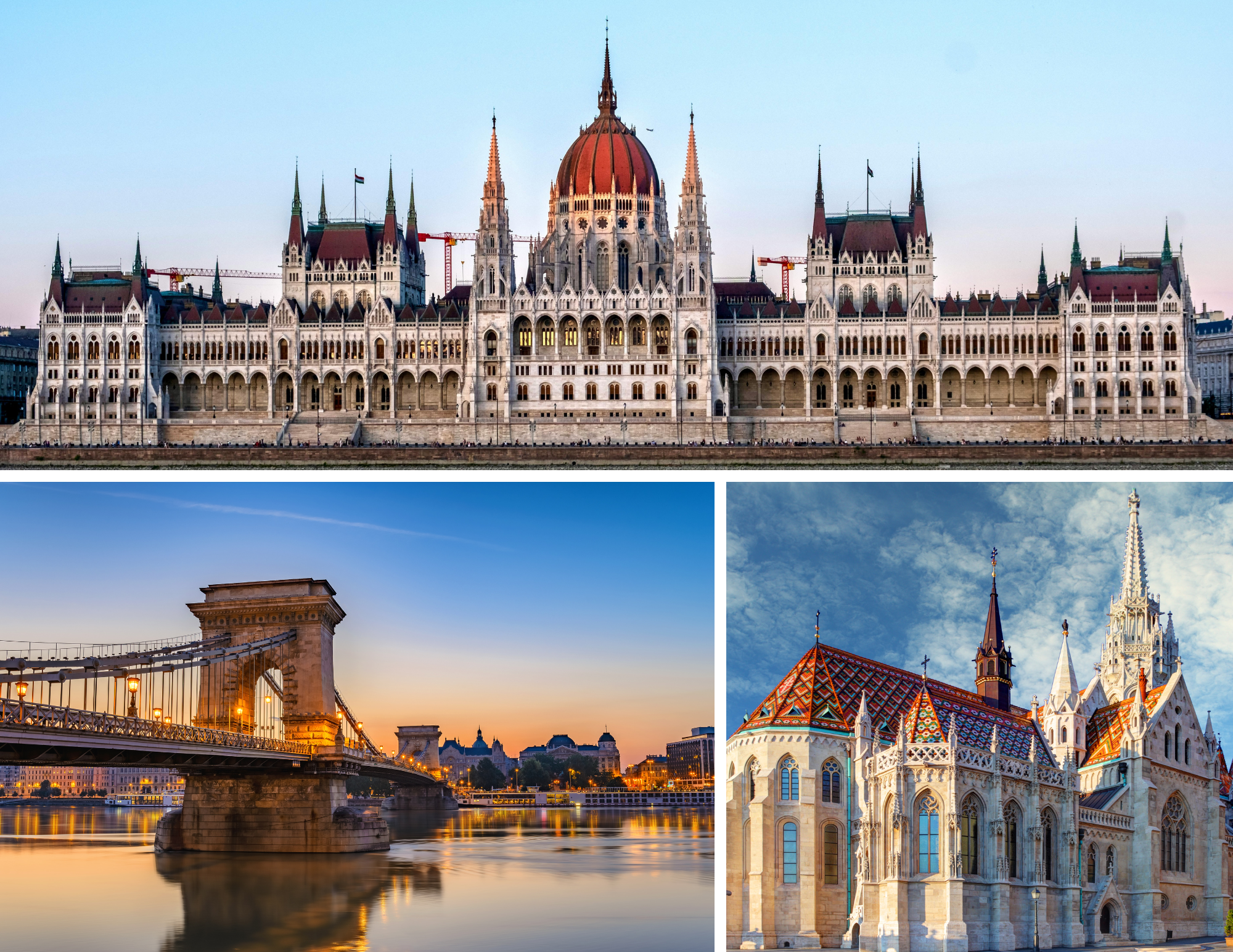
BUDAPEST, HUNGARY – EMBARKATION. Check out of your hotel to board your luxurious ship, perhaps exploring more of the city independently before the evening’s briefings, cocktail hour and dinner. (B,D)
Budapest is the capital city of Hungary and is located over the River Danube. It is one of the largest cities in the European Union and much of its historical sites have been awarded UNESCO World Heritage Site status. Originally formed in 1873 by the joining of Buda, Pest and Old Buda, the city suffered heavy destruction during World War II and was rebuilt into the country's political, cultural and commercial hub it is now. Bridges and railways connect the city over the Danube, including the six small islands situated on the river themselves. Some of Budapest’s UNESCO World Heritage sites include Chain Bridge, Budapest Parliament, the striking Matthias church and the iconic Royal Palace visible from every location within Budapest City. The Castle Hills district architecture represents over a thousand years of the city's history with examples of Roman, Turkish, Gothic, Renaissance and Art Nouveau styles. Budapest also has a rich Jewish heritage and is home to the largest synagogue in Europe. The city has an abundance of restaurants offering international cuisines, as well as traditional Hungarian dishes ,including goulash soup, a very popular lunchtime dish. Hungarians enjoy their coffee so a traditional cafe is never hard to find.
Budapest Port Notes: Local Flavor & Practical Tips
Local Cuisine to Try:
- Goulash / Gulyás: A paprika-rich Hungarian soup or stew and one of the country’s best-known traditional dishes.
- Chicken Paprikash: Tender chicken in a creamy paprika sauce, often served with small dumplings.
- Lángos: Fried flatbread usually topped with sour cream, cheese, or garlic—best as a casual snack if you have free time ashore.
- Kürtőskalács / Chimney Cake: A sweet spiral pastry often found at markets or street stalls.
- Dobos Torte: A layered sponge cake with chocolate buttercream and a crisp caramel top.
- Hungarian Wines: Look for Tokaji, a famous sweet wine, or Egri Bikavér, also known as Bull’s Blood.
Insider Tips:
- Currency & Small Change: Hungary uses the Hungarian Forint (HUF), not the Euro. Credit cards are widely accepted in hotels, restaurants, and larger shops, but it is helpful to carry a small amount of local currency for markets, tips, small purchases, and public restrooms. Some restrooms accept credit cards, but not all.
- Transportation Tip: For independent transfers or short rides in Budapest, consider downloading the Bolt app before arrival. Bolt is widely used in Hungary and works similarly to Uber or Lyft, with app-based pricing and cashless payment. It can be helpful for getting between your hotel, restaurants, thermal baths, or the river cruise dock if you are exploring on your own before embarkation.
- Embarkation Day: Since this is the boarding day, independent sightseeing depends on hotel check-out, transfer timing, luggage arrangements, and ship access. It’s best to keep plans flexible.
- Thermal Baths: Budapest is famous for its bath culture. If you plan to visit one independently, pack a swimsuit and confirm whether towels, sandals, or swim caps are required.
- Coffeehouse Culture: Budapest has beautiful historic cafés, making it a lovely city for a relaxed coffee, pastry, or light lunch before embarkation.
- Evening Views: Budapest is especially stunning after dark when the Parliament, bridges, and Castle District are illuminated along the Danube. Step outside on deck after dinner if the ship is docked or sailing nearby.
- Shopping: Popular souvenirs include paprika, Hungarian wine, embroidered linens, porcelain, honey, and locally made crafts.
Advisor Note:
If you wish to explore Budapest on embarkation day, consider choosing one focused area rather than trying to fit in too much before boarding. You’ll have additional time to enjoy the city later in the cruise, or post-cruise if you decide to stay longer.
Breakfast is only included if you purchased the Budapest pre-cruise stay.
Port Info
Schedule
Start Time
May 26 8:00PM CEST