Wachau Valley — Mid‑August Guide
Details
Destination Overview
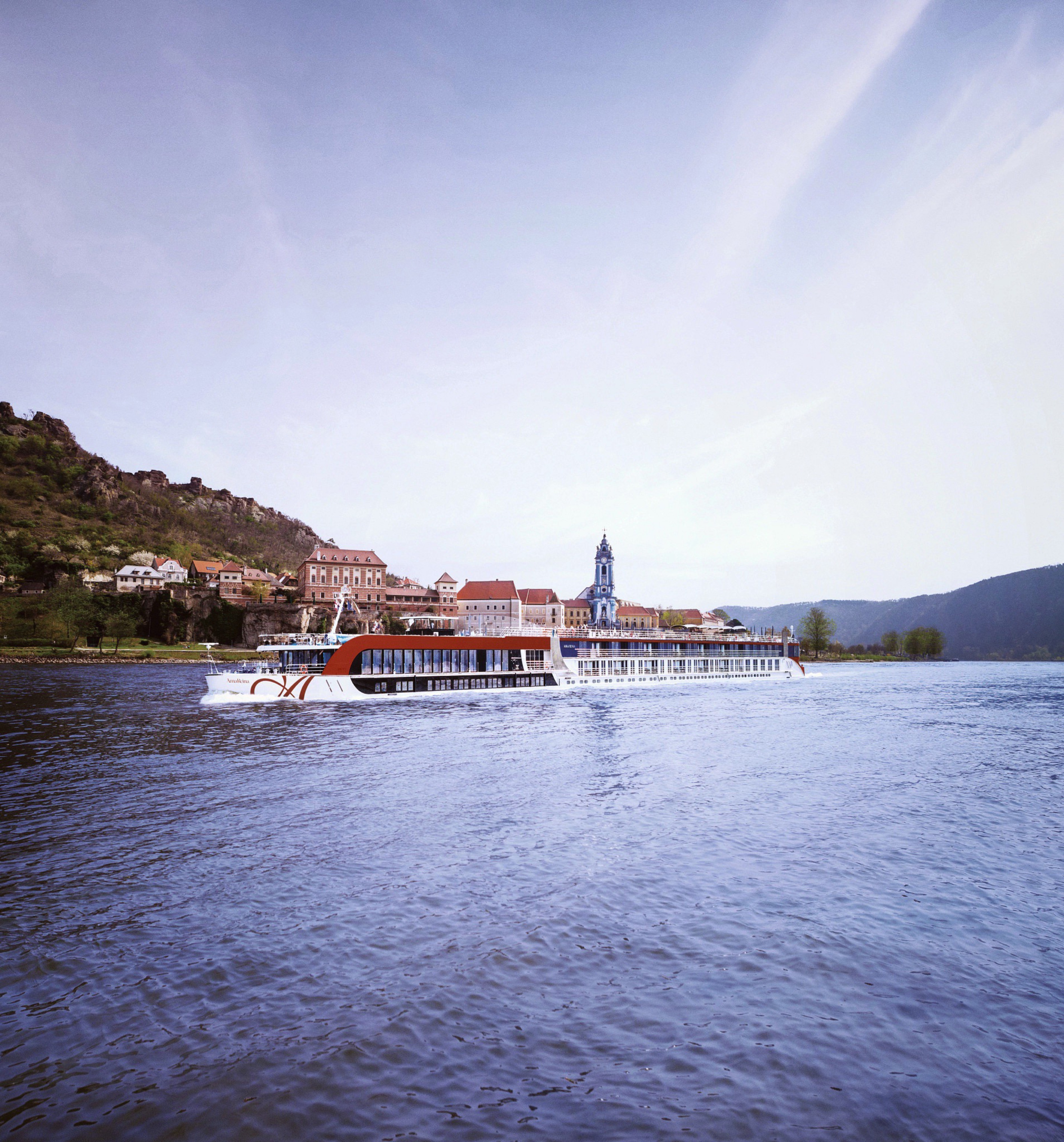
The Wachau Valley is a narrow, sun-soaked ribbon of the Danube in Lower Austria, hugged by terraced vineyards, medieval hilltop castles, and apricot orchards. In mid August the valley hums with late-summer energy: boats slide down the river, cyclists coast between villages, and cellars open their doors for evening tastings. The region is best known for its world-class white wines (especially Grüner Veltliner and Riesling), picturesque vineyards carved into steep slopes, and a string of storybook towns, notably Dürnstein, Melk, and Krems, whose baroque monasteries and stone towers anchor the landscape.
Climate & Seasons
Mid August sits squarely in the Wachau’s warmest, sunniest stretch. Expect:
- Warm days: typically mid to high 20s °C (mid 70s to low 80s °F). Heat spikes into the low 30s °C (low 90s °F) are possible during heat waves.
- Comfortable evenings: when river breezes and cellar coolness drop temperatures into the mid teens °C (low 60s °F).
- Low rainfall: August can be fairly dry, though occasional late-afternoon thunderstorms happen. Bring a light packable rain layer just in case.
If you’re planning vineyard walks or cycling, mornings are pleasantly cool and golden; reserve hot afternoons for leisurely lunches, boat rides, or time in shaded cellars.
Top Highlights & Attractions
Here are the places that best capture the Wachau’s spirit, from famous standbys to quieter corners that feel like discoveries.
- Dürnstein - the blue tower rising above the town is iconic; climb the cobbled streets up to the ruined castle where Richard the Lionheart was once held.
- Melk Abbey - the baroque monastery overlooking the Danube is a showstopper; the library and terrace views are worth the visit.
- Krems an der Donau - a lively cultural hub with museums, galleries, and a charming old town.
- Weissenkirchen and Spitz - quintessential wine villages with pretty riverside promenades and tasting rooms.
- The terraced vineyards themselves - the landscape is the attraction: look for small family-run Heuriger (wine taverns) tucked into the slopes.
Experiences & Activities
I’ve gathered a mix of leisurely and active ways to savor mid-August in the valley. Choose what fits your energy that day, this is a region meant to be tasted slowly.
- Cycle the Danube bike path (Donauradweg) between towns - it’s flat along the river with dramatic vineyard backdrops.
- Take a Danube boat cruise from Krems or Melk for a relaxed perspective of the terraces and castles.
- Book a cellar tasting with a local vintner to learn about Grüner Veltliner and Wachauer Riesling; many estates offer late-afternoon tastings cooled by stone cellars.
- Hike the wine terraces above Dürnstein for sunrise or late-afternoon light, the slope paths give intimate views of the vines and river bends.
- Visit an apricot orchard or sample regional apricot products (Marillen) - jams, schnapps, and strudels are local specialties.
- Time permitting, make a day trip to Melk Abbey for its abbey rooms and expansive river views.
Food & Drink
The Wachau’s food is purposeful and local: river fish, seasonal produce, apricots, and white wine dominate menus. Here are the must-tries and a few flavorsome places.
- Try Grüner Veltliner and Wachauer Riesling - crisp, mineral-driven whites that pair beautifully with local cuisine.
- Eat Danube fish (e.g., trout, pike-perch) at a riverside Gasthaus.
- Sample apricot (Marille) desserts and locally distilled apricot brandy.
- Dine at a Heuriger (wine tavern) with cold plates, farmhouse cheeses, smoked meats, and fresh bread, ideally as the sun lowers over the vines.
- For something sweet, look for apricot dumplings (Marillenknödel) in bakeries during season.
Shopping
Bring home souvenirs that speak of the Wachau’s soil and craft. These are the best mementos to seek out.
- Local wines (Grüner Veltliner, Riesling) from family cellars, many estates will pack bottles for travel.
- Apricot products: jams, brandies (Marillenbrand), and dried fruit.
- Handmade ceramics or small wooden kitchenware from regional artisans in Krems.
- Specialty food items: cold-smoked river fish, local honey, and artisanal mustards.
Getting There & Around
Here are practical ways most travelers arrive and move around the valley.
- By train: frequent regional trains connect Krems and Melk with Vienna; these towns are convenient entry points for exploring the valley.
- By boat: summer river cruises and scheduled ferries run between key towns, a scenic and relaxing way to travel.
- By car: driving gives maximum flexibility to visit hillside vineyards and smaller hamlets; roads are well maintained but narrow in places.
- By bike: the Donauradweg is well signed and an excellent option for seeing the valley at a gentle pace.
Insider Tips
A few local habits and small adjustments that make a big difference to your experience in mid August.
- Timing matters: do vineyard walks and cycling in the morning, save cellar visits and boat trips for the heat of the afternoon.
- Pack for contrast: light layers for hot days and cool, stone-cellar evenings (a light sweater or wrap is handy).
- Cash and cards: most places accept cards, but small Heuriger or market stalls may prefer cash.
- Local phrase: a friendly “Grüß Gott” goes a long way when entering shops or taverns.
Photo‑Worthy Spots
For postcards and quiet moments, these are the valley’s most photogenic corners and the best times to capture them.
- Sunrise over the Danube bend near Spitz, the terraces glow and mist sometimes lingers in low pockets.
- Late-afternoon light on the terraced vineyards above Dürnstein, golden, sculptural rows of vines.
- Views from the terrace at Melk Abbey looking downriver, sweeping and formal.
- Riverside promenades in Krems and the colorful facades of old town lanes, great for candid street scenes.
Enjoy the slow rhythm of the Wachau in mid August: a place where vines map the hills, apricot scent floats on the air, and every cellar door promises a new story. Let the river set your pace.
Port Info
Schedule
Start Time
Aug 21 12:00AM UTC