Madrid, Spain-destination guide
Details
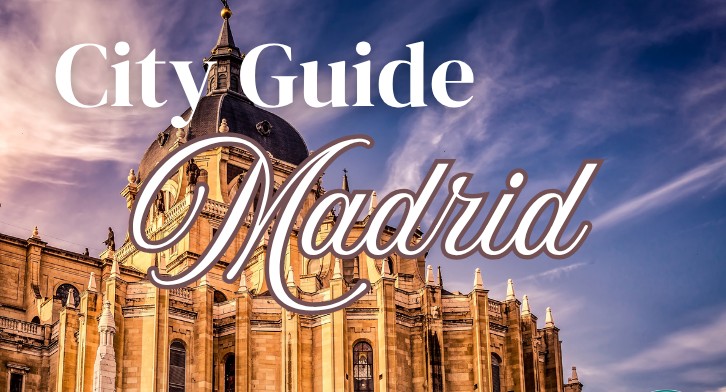
Madrid may be lacking in architectural beauty compared with some other major Spanish cities, but it makes up for this with its boundless energy, blue skies, art, culture, and an exhilarating and exhausting nightlife that will delight party animals. The city is compact and easy to navigate on foot; most of the touristic sights of interest are found in the downtown area between the Royal Palace and Parque del Retiro.
The capital of Spain since 1562, Madrid sits in the geographic centre of the Iberian Peninsula and has long been an important stop on any art tour through Europe. The famous Museo del Prado on the city's 'Museum Mile' houses important works by Spanish and European masters from the Renaissance onwards, while the Museo Thyssen-Bornemiza houses one of the most extensive private collections in the world. The Museo Nacional Centro de Arte Reina Sofia is devoted to 20th century Spanish art, and has works by Miro, Dali and Picasso, and completes the holy trinity of Madrid's art world.
Visitors wishing to take a break from all that art may want to see the Plaza de Toros, Spain's largest bullring, where regular bullfights are still held. Sports fanatics who like something a little less blood-thirsty can watch Real Madrid, or Atletico Madrid, two of Spain's most famous football teams, kick off. Madrid is also home to some gorgeous plazas and parks that are worth exploring.
A lively, sexy city that beguiles visitors as much with its vibrant soul as its many cultural treasures, Madrid is unquestionably one of Europe's great urban destinations. The glorious art scene and nightlife are the two main reasons to choose a holiday in Spain's energetic capital city. Madrid's many art galleries contain such a wealth of great artworks that anyone would be hard put to see them all. Art lovers will naturally be enchanted by Madrid's Golden Triangle of world-class art museums: The Reina Sofia, The Prado, and Thyssen-Bornemisza. However, the city has something to offer anyone who enjoys exploring the world's great capitals, as it has many lovely parks, sprawling markets, fascinating museums, grand palaces, historical monuments, a renowned restaurant scene, and legendary bars and nightclubs that rock till the small hours.

Best time to visit Madrid
The sky above Madrid is usually blue, brushed with puffy white clouds, and the city enjoys a pleasant Mediterranean climate. Hordes of tourists descend on Spain for the hot summer months of June, July and August and Madrid is no exception. However, the city is perhaps at its best in the shoulder seasons of spring and autumn, in May or October, when it's less crowded and not as scorchingly hot.
Climate
Madrid has a Mediterranean climate, with dry, warm and pleasant weather most of the year; winters are cold, but not as chilly as winters in many other European cities, and summers are hot. The city's high altitude and proximity to mountains causes some steep variations in winter and summer temperatures.

National Archaeological Museum
What to see in Madrid
- Learn about Spain's rich history at the National Archaeological Museum in Madrid.
- See the Plaza Mayor, Madrid's arcaded central square, which dates back to 1619.
- Marvel at Goya's famous fresco and tomb in the Glorieta de San Antonio de la Florida.
- Visit the Sorolla Museum, which is the former home of another beloved Spanish master artist, Joaquin Sorolla.

Royal Palace
What to do in Madrid
- Stroll and picnic in the beautiful and lush Parque del Buen Retiro.
- Treat the kids to a whirlwind of fun at the Parque de Atracciones amusement park.
- Stroll the Retiro Park Row a boat on the lake, explore the Crystal Palace, and wander manicured paths alongside locals.
- Royal Palace & Sabatini Gardens Tour the grand halls of Europe’s largest palace (still used for state ceremonies), then relax in the gardens behind it.
- Mercado de San Miguel Upscale market near Plaza Mayor with gourmet tapas stalls, vermouth on tap, and fresh oysters.
- Gran Vía & Malasaña Shopping Stroll Madrid’s version of Broadway meets vintage and indie boutiques in Malasaña—don’t miss Calle Fuencarral.
- Flamenco Show at Cardamomo or Corral de la Morería Passionate, raw, and deeply Spanish—book a late-night show with a glass of Rioja.
🧭 Pro Tip: Madrid comes alive after 8pm. Plan late dinners, sunset strolls, and terrace cocktails to sync with the local rhythm.
Cultural Highlights
.jpg)
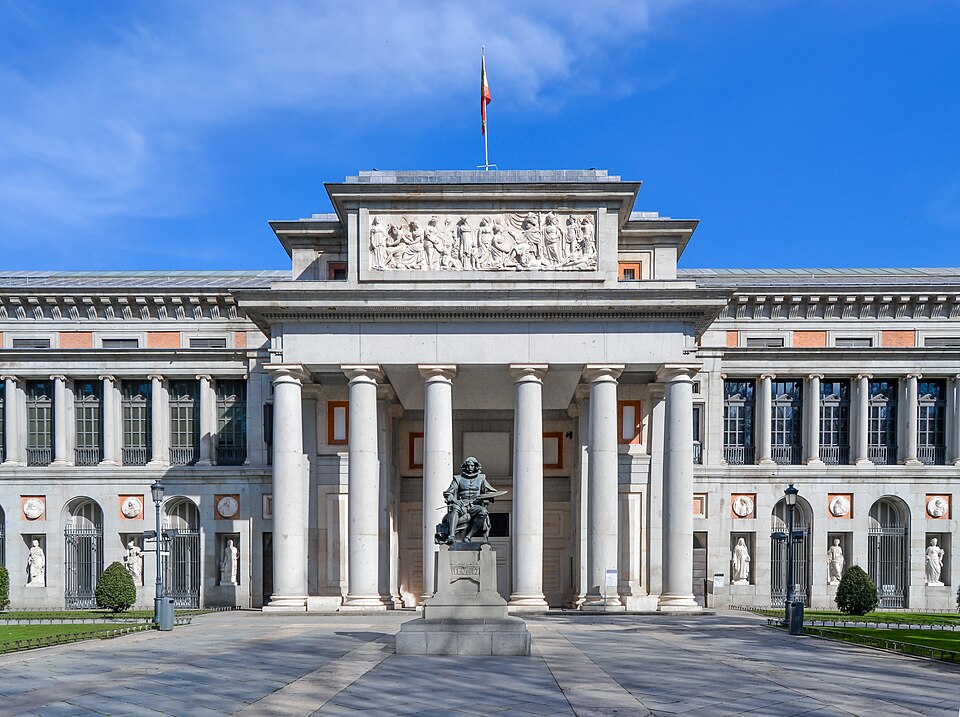
Museo del Prado
- Museo del Prado Spain’s finest classical art museum. Must-sees: Velázquez’s Las Meninas and Goya’s Black Paintings.
- Museo Reina Sofía Modern art giant, home to Picasso’s haunting Guernica and works by Dalí and Miró.
- Thyssen-Bornemisza Museum A walk through Western art history in one place—Renaissance to Pop Art.
- Plaza Mayor & Puerta del Sol Two iconic squares for people-watching, street performers, and soaking in the city vibe.
- Catedral de la Almudena Facing the Royal Palace, this relatively modern cathedral has a colorful, unexpected interior.
Beyond Madrid- popular day trips
Madrid is a fantastic hub for day trips! Here are the best options:
🏰 Top Day Trips from Madrid
~1 Hour Away
- Toledo — Medieval walled city, El Greco paintings, stunning cathedral. One of Spain's most visited day trips.
- Segovia — Roman aqueduct, fairy-tale Alcázar castle, and famous cochinillo (roast suckling pig).
- Aranjuez — Royal Palace and gardens; nicknamed "the Spanish Versailles."
~1.5–2 Hours Away
- Ávila — Perfectly preserved medieval walls (a UNESCO site), mystic city of St. Teresa.
- El Escorial — Massive royal monastery-palace complex, hauntingly grand.
- Salamanca — Golden sandstone university city, beautiful Plaza Mayor, vibrant student life.
~2.5 Hours Away
- Cuenca — "Hanging Houses" clinging to cliffs, dramatic gorge scenery, great contemporary art museum.
- Córdoba — The breathtaking Mezquita (mosque-cathedral) — a longer day but very doable by high-speed train.
Pro tips for clients:
- Toledo and Segovia are the most popular and easiest logistically.
- High-speed AVE trains make Segovia (27 min!) and Toledo (33 min) effortless.
- Rent a car for Ávila and Cuenca for the most flexibility.

Madrid Bajaros Airport
Getting there
The Madrid Barajas Airport is the busiest airport in the country and the entry point for many international visitors to Spain. The airport is huge and modern, and is situated just eight miles (13km) from central Madrid.

Metro Opera Station
Getting Around
Madrid is easy to get around and is served by an extensive network of buses, a modern and efficient metro, ride-sharing services such as Uber, and trains. Taxis are plentiful and cheap although a list of surcharges will increase the fare. Visitors should check that the meter isn't already running and is in working order, as foreigners are often the victims of overcharging.
The quickest way to get around is on the fast and very efficient metro that reaches most places and operates from 6am to 1.30am, though it's best to avoid rush hours. Otherwise the comprehensive bus network is there to fill in the gaps from 6am to midnight. Buses have designated lanes so they are able to avoid traffic congestion, and night buses operate after midnight. The 10-trip ticket package allows for cheaper travel and is valid on both the metro and buses.
The Madrid Card also entitles the holder to free public transport. Driving in Madrid is best avoided because it's unnecessarily stressful when public transport is so cheap and convenient. The city is very compact and it's best to walk when possible; most of the touristic sights of interest are found in the downtown area between the Royal Palace and Parque del Retiro.
Fun Facts
-Madrid has been the capital of Spain since the 17th century and is the largest city in the country.
-Flamenco originated in Madrid and still provides wonderful entertainment for visitors and locals.
-Madrid is said to enjoy more blue skies than any other European city.
Fun Finds / Hidden Secrets
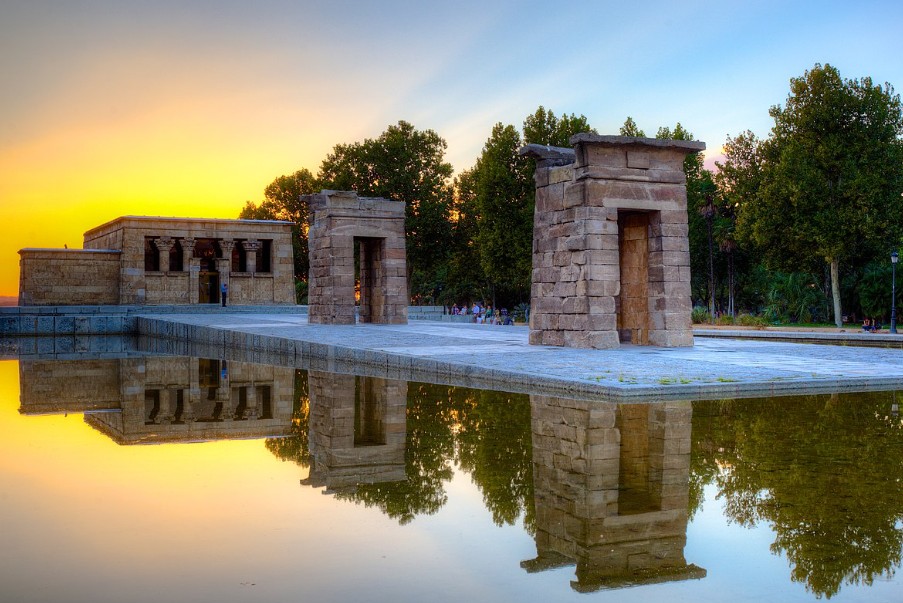
Temple of debod
- Temple of Debod An actual Egyptian temple gifted to Spain—go for golden hour views over the city skyline.
- Callejón del Diablo (Devil’s Alley) A quirky, narrow backstreet near Lavapiés filled with murals, folklore, and history.
- Andén 0 – Chamberí Ghost Station A preserved 1920s metro stop frozen in time. Entry is free!
- Rooftop at Círculo de Bellas Artes One of the best rooftop views in Madrid with a chic bar and casual seating. Entry fee is worth it.
- La Tabacalera Former tobacco factory turned gritty art and community space in Lavapiés, covered in evolving street art.
Madrid - Nightlife
The nightlife in Madrid is varied and exciting with many pubs, tascas (cheap bars), theatres, movie houses and nightclubs to keep visitors entertained. El terraceo (terrace-hopping) is a way of life in Madrid. Most people only start partying at around 11pm and few locals enter a nightclub before 1am. Many places stay open past dawn. Plaza Mayor, Puerta del Sol, Gran Vía and Chueca are some of the trendiest nightlife areas.
Viva Madrid and Los Gabrieles are two of the most popular bars, but there are also many old tavernas around Los Austrias to explore. Plaza Santa Ana and the surrounding streets have a few good spots and the seven-floor Kapital has a great rooftop bar. For clubbing, the Room is fantastic but only open Fridays, Joy Eslava Disco comes highly recommended, and Lavapies is popular with the bohemian crowd. There are wonderful flamenco performances at Casa Patas, and the Lope de Vega theatre has excellent shows. Tapas and coffee bars are also very popular in Madrid.
There are various Madrid nightlife coach tours offered, which are a good way to avoid queues and entrance fees at certain venues. Children are admitted in many bars, cafeterias and restaurants, as well as some pubs.
Madrid - Shopping
Madrid offers arguably some of the best shopping in not only Spain but also Europe, and with so many shopping districts all touting their own specialities, visitors can find just about anything and everything!
Madrid - Attractions and Sightseeing
Steeped in history, Madrid is a sightseeing paradise with the arts taking centre stage. It will take visitors several days to explore Spain's energetic capital and see all the historical landmarks, museums, art galleries, and parks the city has to offer.
Visitors to Madrid are advised to purchase the Madrid Card, which offers free entry to more than 40 museums, and discounts in many shops and restaurants, as well as free public transport. It is available from tourist offices.
Madrid - Kids Attractions
Madrid has endless fun and entertainment to offer kids on holiday. While it's a bustling city that's famous for its art galleries and nightlife, it's also very family-friendly. Kids will enjoy many of the main sightseeing attractions, and will revel in the many fiestas and events held in the streets.
- The Prado
- Thyssen-Bornemisza Museum
- Reina Sofia National Art Centre Museum
- Royal Palace
- Plaza Mayor
- San Antonio de la Florida
- Parque del Buen Retiro
- Toledo
- Monastery of San Lorenzo de El Escorial
- Segovia
- Flamenco at Corral de la Moreria
- Puerta del Sol
- Royal Botanic Garden
- National Archaeological Museum of Spain
- Sorolla Museum
- Safari Madrid
- Madrid Zoo and Aquarium
- Parque de Atracciones
- Cuenca
Madrid Dining
Eating in Madrid is an exciting, vibrant experience characterized by late-night dining, bustling tapas bars, and a rich culinary culture. Locals typically eat breakfast from 8:00 to 10:00 AM, lunch from 2:00 to 4:00 PM, and dinner starting late, usually from 9:00 to 11:00 PM.
Must-Try Local Specialties
- Cocido Madrileño: A hearty, traditional chickpea-based stew usually served in two or three courses.
- Bocadillo de Calamares: A crusty baguette filled with freshly fried, crispy calamari.
- Tortilla Española: The iconic thick Spanish omelet with potatoes and eggs.
- Huevos Rotos: "Broken eggs," typically served sunny-side up over a bed of fries and often topped with Iberian ham.
- Churros con Chocolate: Crispy, fried dough pastry dipped in thick, hot drinking chocolate.
Iconic Spots & Markets
- Casa Dani: Located inside Mercado de la Paz, this spot is highly famous and beloved by locals for serving the best Tortilla Española in the city.
- Chocolatería San Ginés: A historic, 24-hour institution operating since 1894, perfect for late-night or early-morning churros.
- Restaurante Botin: The Guinness World Record holder for the oldest continually operating restaurant in the world, famous for its roasted suckling pig.
- San Miguel Market (Mercado de San Miguel): An upscale, centrally located historic market featuring everything from oysters and caviar to traditional tapas and vermouth.
Dining Etiquette
- The "Menu del Día": During weekday lunch hours (usually 1:00 PM - 4:00 PM), seek out the Menú del Día. It is an incredibly affordable, multi-course meal (usually including a starter, main, drink, and dessert or coffee) offered by almost all local neighborhood restaurants.
- Tapas Bar Crawling: Rather than sitting down for a large meal, order a drink (like a caña or vermouth) at one tapas bar, enjoy a tapa, and move to the next.
- Standing vs. Sitting: You will often find two prices on menus in Madrid; sitting at a table (terraza or mesa) is slightly more expensive than standing at the bar (barra).
Madrid - Restaurants
Where to Eat
- Casa Dani (in Mercado de la Paz) Famous for its tortilla de patatas—fluffy, golden, and perfectly gooey in the middle.
- Sacha Part bistro, part secret—it’s where locals go for inventive twists on traditional dishes. Try the fake ravioli.
- El Sur Cozy and budget-friendly, great for classic tapas and raciones like pimientos de padrón and salmorejo.
- Bodegas Rosell Historic tavern with old-school tilework and a solid wine list. Order the bacalao (salt cod) or chorizo in cider.
- Toma Café (Malasaña) Hip micro-roastery and brunch stop if you need specialty coffee and good toast.
- Tripea Mercado de Vallehermoso, C. de Vallehermoso, 36, Chamberí, 28015 Madrid, Spain
- Murillo Cafe, C. de Ruiz de Alarcón, 27, Retiro, 28014 Madrid, Spain
- Pastamore Alcala, C. de Alcala, 191, Salamanca, 28009 Madrid, Spain
- La Sanabresa, C. del Amor de Dios, 12, Centro, 28014 Madrid, Spain
- Los Montes de Galicia, C. de Azcona, 46, Salamanca, 28028 Madrid, Spain
- Bodega de los Secretos, Calle de San Blas, 4, Centro, 28014 Madrid, Spain
- Taberna Los Huevos de Lucio, C. de la Cava Baja, 32, Centro, 28005 Madrid, Spain
- Casa Ciriaco, C. Mayor, 84, Centro, 28013 Madrid, Spain
- Corral de la Moreria, C. de la Moreria, 17, Centro, 28005 Madrid, Spain
- Botin, C. de Cuchilleros, 17, Centro, 28005 Madrid, Spain
🍩 Sweet Find: Grab churros and chocolate at Chocolatería San Ginés, open since 1894 and perfect for late-night cravings.
Madrid Tapas
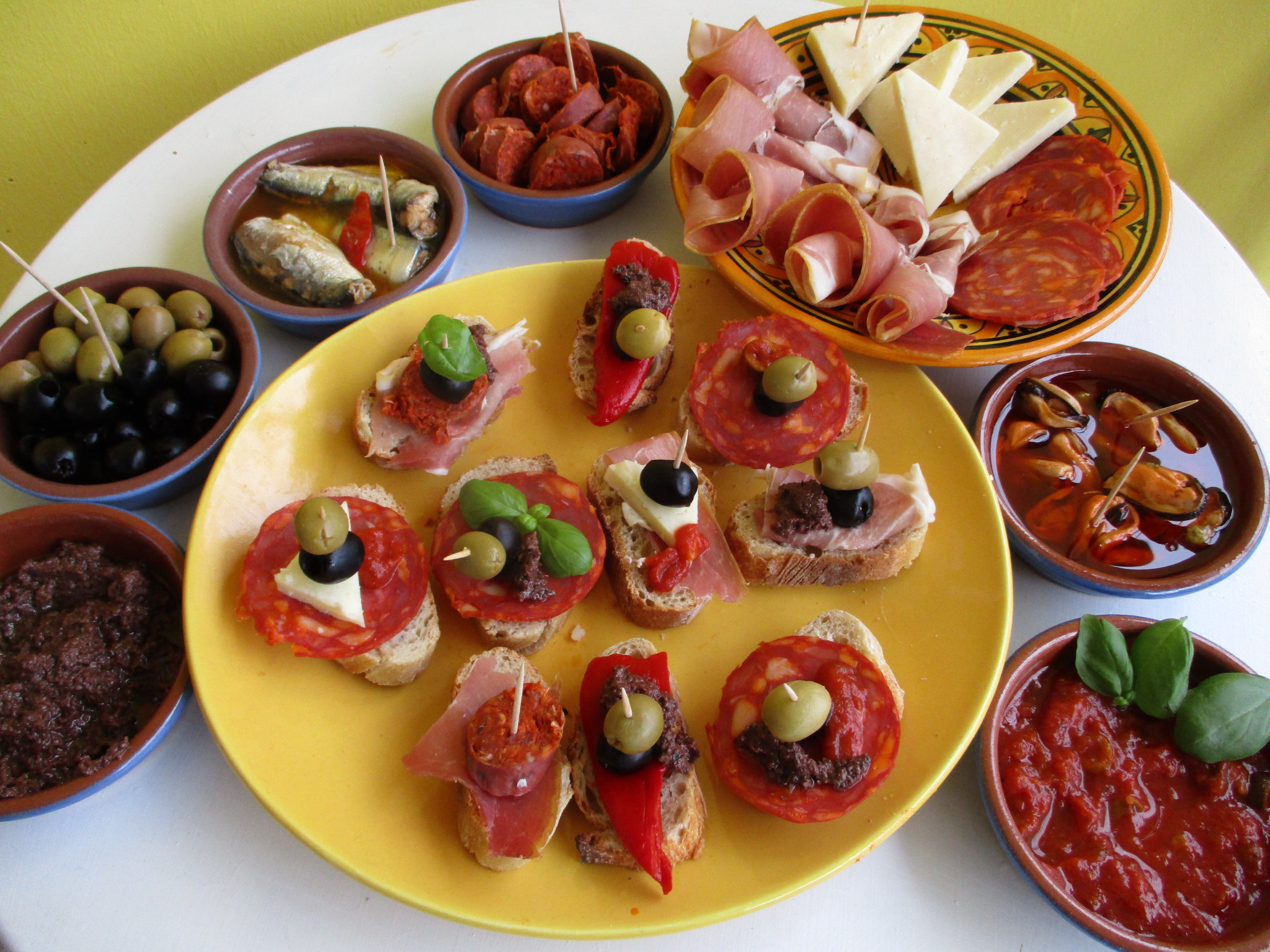
The definition of tapas varies depending on who you ask. Someone from Seville will define them as small portion sizes, while in Madrid and Granada typical tapas are free bites that come with a drink. But at their core, tapas are about the Spanish art of eating together and sharing food.
- In Madrid, tapas often come with your drink (though this is less and less common at the modern places). They might be simple olives or potato chips, or something more elaborate.
- Some restaurants have started including a few "tapas" on their menus. These are usually smaller portions, similar to an appetizer serving.
- Other restaurants (unfortunately) use the word tapas interchangeably with raciones (large sharing portions). This is misleading, as raciones are large plates meant to be shared among many people. Many tourists order a bunch of raciones (thinking they're small plates) and can't finish their food.
- The price of tapas varies greatly in Madrid. They might be free, or you might pay anywhere from €2 to €10 for a "tapa" to share.
- Don't assume one definition of tapas—ask for help. No one understands tapas here in Madrid. Locals ask questions all the time. How big is this dish? Is this enough food for the two of us?
- When in doubt, order slowly. Unless you're in a more formal restaurant, order drinks first (see if a free tapa appears), then order one or two things, eat and evaluate (if it's unimpressive, change places!), and repeat. That's Madrid style!
Notes about dining
I do not have personal experience with any of these dining spots. Some were colleague recommended or AI recommended
For a carefully vetted, localized guide of the city's highest-rated dining spots, you can browse through the Eater Madrid list of top establishments or check out the Michelin Guide Madrid for fine-dining recommendations.