Seville —Destination Guide
5
Details
.png)
Destination Overview
Seville is the sunlit heart of Andalusia: whitewashed patios, orange trees scenting medieval streets, baroque churches and flamenco that feels born from the pavement. People fall in love with Seville for its effortless drama — grand Mudejar and Gothic architecture rubbing shoulders with lazy plazas where life unfolds slowly around tapas bars and afternoon siestas. Expect a warm, convivial city where history is visible on every corner and the rhythm of daily life still follows long lunches, late nights, and impassioned cante jondo.
Climate & Seasons
Seville has a Mediterranean climate with extremes that shape the pace of days. Summers (June–August) are famously hot — daytime highs commonly above 35°C (95°F) with still evenings; locals avoid the midday sun and live outdoors after sunset. Spring (March–May) and autumn (September–October) are the most pleasant, with warm days, cool nights, and the city in full bloom during spring. Winters are mild but can be grey and occasionally cool.
Top Highlights & Attractions
Below are the places that define Seville — the landmarks you’ll want to feel rather than just photograph. Mix the big sights with quieter corners to get the city’s full personality.
- Real Alcázar — a palace of intricate Moorish tilework, lush patios and secret gardens; arrive early to take in the quieter rooms.
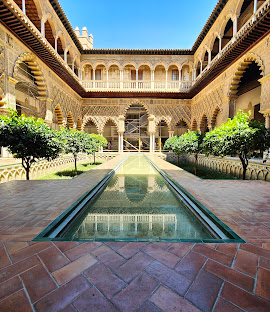
- Catedral de Sevilla & La Giralda — Europe’s largest Gothic cathedral; climb La Giralda ramp for panoramic views over the old city.
- Barrio de Santa Cruz — narrow, fragrant alleys, hidden plazas and orange trees; perfect for aimless wandering and discovering tucked-away tapas bars.
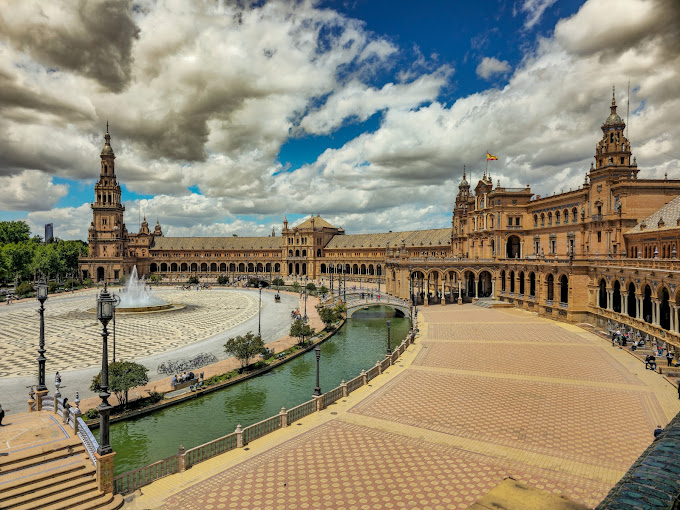
- Plaza de España & Parque de María Luisa — a sweeping semi-circular plaza flanked by tiled alcoves representing Spain’s provinces; best seen in golden morning or late-afternoon light.
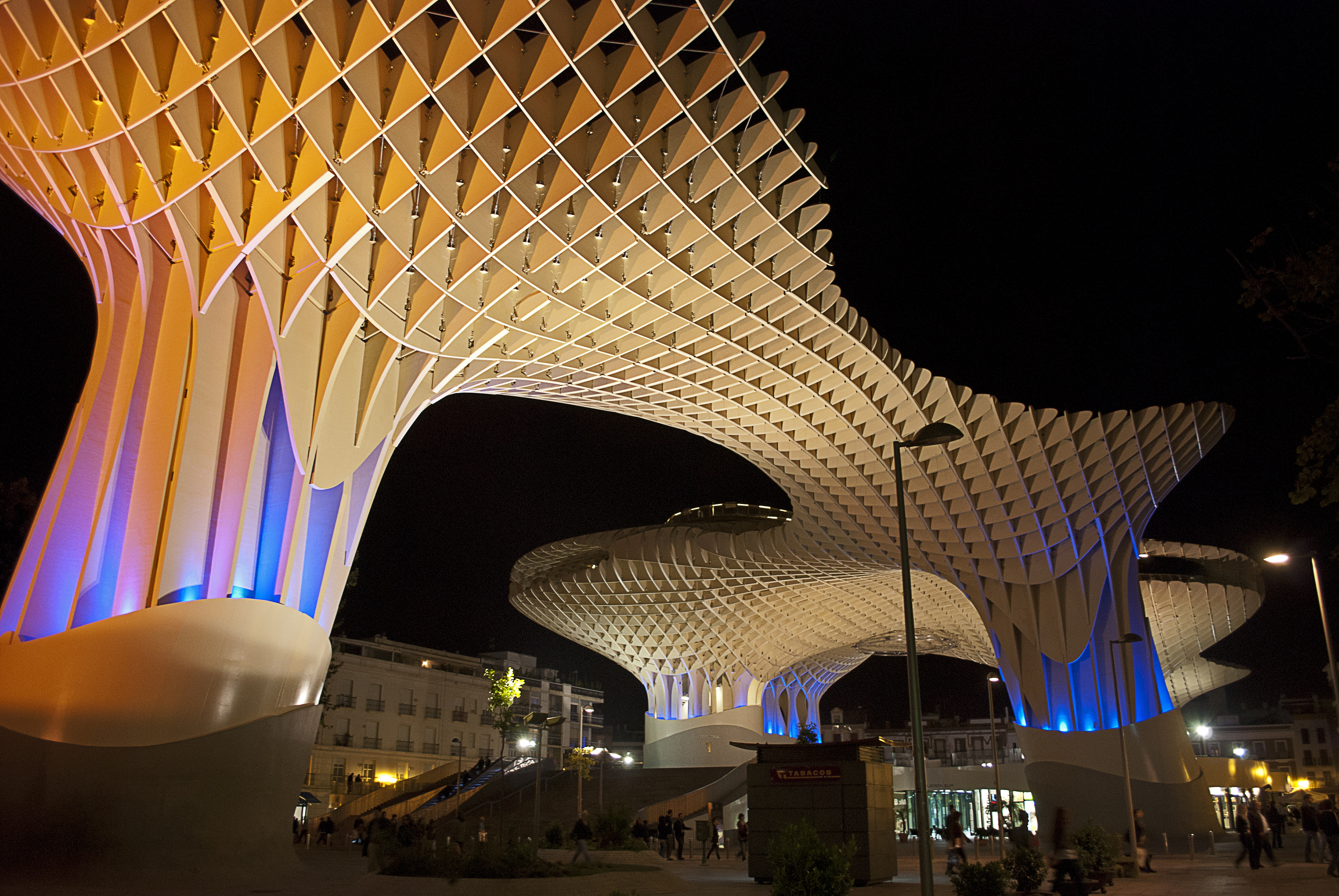
- Metropol Parasol (Las Setas) — a contemporary wooden canopy with a rooftop walkway offering modern contrasts and good sunset vistas.
- Triana neighborhood — cross the river to explore Seville’s ceramics quarter, flamenco roots and lively marketplaces.
- The promenades along the Guadalquivir River- offer a spectacular blend of historical landmarks, vibrant local culture, and scenic riverfront views. These mostly flat, pedestrian-friendly pathways are perfect for an afternoon stroll, a morning jog, or soaking in a vibrant sunset
- the rougher Macarena neighbourhood with its Baroque churches
- The oldest bar in Spain, El Rinconcillo.
Experiences & Activities
Here are a variety of ways to experience Seville beyond ticking boxes — each option gives you a different lens on the city.
- Take a guided early-morning or twilight walk through the Real Alcázar and Santa Cruz to avoid the heat and crowds. The light in the patios is magical then.
- Watch an intimate flamenco performance in a small tablao in Triana or a private casa de flamenco; listen for the urgency in the guitar and the hush before a singer’s voice.
- Rent a bike or use the city’s bike lanes to explore the tree-lined banks of the Guadalquivir and reach Parque de María Luisa with ease.
- Join a cooking class that focuses on Andalusian tapas — learning about olive oil, jamón ibérico, and how to make a proper salmorejo will make every meal tastier.
- Day trip options: a morning in Córdoba to see the Mezquita (under 1.5 hours by train), a drive through white villages (pueblos blancos) like Ronda, or a vineyard visit in the nearby sherry triangle (Jerez–Sanlúcar–El Puerto) for a tasting.
Hidden corners and unusual places
Explore the rooftop walkways at Metropol Parasol
Many visitors stop for photos of the giant wooden structure known as Metropol Parasol ("Las Setas"), but the elevated walkways offer excellent sunset views and a perspective over the old city that many tourists miss.
Wander the streets of Triana beyond the main drag
The neighborhood of Triana is famous for flamenco and ceramics, but the quiet residential streets away from the riverfront are where you'll find colorful patios, local bars, and workshops still producing traditional tiles.
Visit the Roman ruins beneath the city
Under Antiquarium de Sevilla you'll find surprisingly extensive Roman and Moorish remains beneath modern Seville. It's often much quieter than the city's headline attractions.
See a palace few tourists visit
Palacio de las Dueñas is a beautiful aristocratic residence with gardens, courtyards, and artwork. It receives only a fraction of the visitors of the Alcázar.
Local experiences
Catch flamenco in a neighborhood venue
Instead of a large commercial show, look for performances in smaller venues in Triana or the old quarter. The atmosphere is often more intimate and connected to local flamenco culture.
Join the evening paseo
One of the most authentic experiences is simply strolling through the historic center after sunset when locals come out for drinks, conversation, and tapas. Areas around Alameda de Hércules are especially lively.
Seek out traditional ceramic workshops
Triana's ceramic tradition dates back centuries. Several family-run workshops still produce hand-painted tiles and pottery using traditional methods.
Take the Classic River Walk along the Guadalquivir River
The Classic River Walk
This highly popular 2-mile route takes you directly through the historic heart of the city.
- Start: Begin at the majestic Torre del Oro (Tower of Gold), a 13th-century military watchtower.
- Northbound: Walk up the wide, palm-lined promenade of Paseo de Cristóbal Colón. You'll pass tour boat docks and a moored replica galleon. [
- Crossing: Head across the Puente de Isabel II (Triana Bridge) to the vibrant, ceramic-making Triana district.
- Southbound: Walk down Calle Betis, a lively street lined with tapas bars and cafes right on the water, offering beautiful views of the old town skyline across the river.
- End: Cross back over via the Puente de San Telmo to complete the loop near your starting point.
Southern Promenades & Parks
For a greener, more leisurely walk, head south from the Torre del Oro:
- Muelle de Nueva York: Once a bustling industrial dock, this revitalized, 700-meter pedestrian walkway features landscaped gardens, pergolas, and cafe terraces.
- Paseo de las Delicias: A wide, monument-filled avenue that leads towards the Parque de María Luisa and the iconic Plaza de España
Tips for Your Walk
- Best times to go: Late afternoon or sunset provides cooler temperatures and beautiful golden hour light reflecting off the water.
- Rent a bicycle: The riverfront is incredibly bike-friendly, with flat, dedicated paths.
- Plan a boat tour: If you want to see the promenades from the water, you can book a 1-hour cruise or rent a pedal boat/canoe directly from the docks near the Torre del Oro
Food & Drink
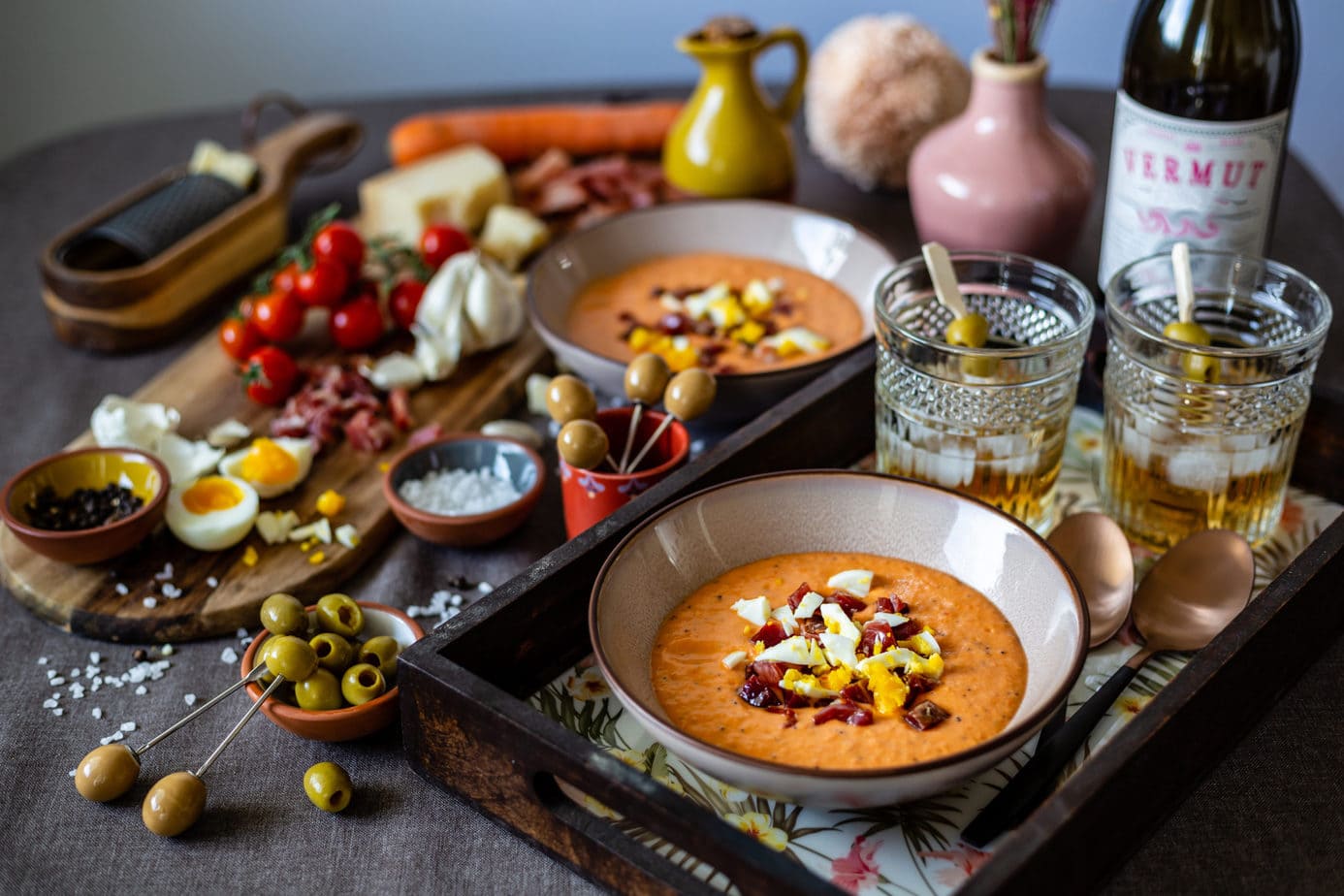
Life in Seville seems to revolve around meals, meaning that there is a huge selection of restaurants serving both local and international specialities. The best eateries are traditionally Andalusian, in both ambience and cuisine. The locals eat late, and most restaurants only start filling up after 10 pm.
Seville is addictive for food lovers; eating here is a social, unhurried pleasure. Below are things and places to try that capture the city’s flavors.
Seville's food scene is defined by rich Andalusian flavors, Moorish spices, and world-class Iberian pork. The city revolves around the tapas culture, where eating small plates socially is an art form. Visit Calle Mateo Gago and try several tapas bars. La Fresquita is a hole-in-the-wall type place serving mini toasts with morcilla (blood sausage), and The Bodega Santa Cruz has a tasty tortilla. Bar Giralda in a former Moorish bathhouse is also worth a visit.
The locals in Seville are particular about their coffee. For example, they only have café con leche (coffee with milk) for breakfast, often with a croissant. At mid-day, they tend to have either an espresso, a café solo, or a cortado, which are espressos with a drop or two of milk.
Must-Try Sevillian Specialties
- Montadito de Pringá: A mini sandwich filled with pringá, a slow-roasted, tender, shredded stew of pork, beef, and chorizo. Try it at Bodeguita Romero, where it is a local staple.
- Carrillada de Cerdo: Melt-in-your-mouth braised pork cheeks stewed in a rich, flavorful red wine or sherry sauce.
- Espinacas con Garbanzos: A legacy of the city’s Moorish history, this simple, earthy stew combines spinach, chickpeas, garlic, and cumin.
- Salmorejo: A thicker, creamier version of gazpacho. This chilled puree of ripe tomatoes, bread, and garlic is topped with diced jamón ibérico and hard-boiled egg.
- Try classic Andalusian dishes: jamón ibérico, salmorejo (thicker cousin of gazpacho), pescaíto frito (fried small fish), and tortilla española.
- For a memorable tapas crawl, start in Alfalfa or Santa Cruz, then head over to Triana for more local-focused bars. Eat standing at the bar for a quintessential experience.
- Seek out a traditional market like Mercado de Feria for fresh produce, cheeses and small counters serving homemade dishes.
- Experience a vermouth or sherry tasting: order an oloroso or fino to understand how fortified wines shape Andalusian cuisine.
- For coffee and pastries, settle into a café in the morning in Arenal or near the cathedral and watch the city wake up.
Restaurant Recommendations:
Seville is one of Spain's best food cities, especially if you enjoy tapas, seafood, and modern Andalusian cuisine. Here are some standout options depending on the experience you're looking for:
Traditional Seville (classic tapas & atmosphere)
- El Rinconcillo — Founded in 1670 and widely regarded as the oldest bar in Seville. Great for classic dishes like spinach with chickpeas, jamón, and pork cheeks.
- Casa Morales — Historic bodega-style tapas bar with wine barrels and traditional Andalusian specialties.
Best Seafood
- Cañabota — Michelin-starred seafood restaurant focusing on the freshest fish from the Andalusian coast. Consider sitting at the counter to watch the kitchen at work.
Fine Dining / Special Occasion
- Abantal — One of Seville's premier fine-dining destinations, offering creative tasting menus that reinterpret Andalusian flavors.
- De la O — Elegant riverside restaurant in Triana with refined Andalusian cuisine and beautiful views.
Modern Tapas
- La Bartola — Inventive tapas with some fusion influences and excellent value. Popular among both locals and visitors.
- ConTenedor — Creative, seasonal, farm-to-table cooking in the Macarena neighborhood.
Great Value & Popular Choices
- El Pasaje Tapas — A reliable favorite near the cathedral with a broad tapas menu.
- El Sella — Excellent traditional Spanish food in the Triana district.
- El Librero Tapas Y Quesos — Good spot for tapas, local cheeses, and casual dining.
If you had only 3 dinners in Seville
- Cañabota (seafood and Michelin-level cooking)
- Abantal (fine dining experience)
- De la O (modern Andalusian cuisine with a great setting)
If you had only 1 day
- Lunch: El Rinconcillo
- Afternoon tapas: La Bartola
- Dinner: Cañabota
Shopping
If you want tangible reminders of Seville, focus on craft, ceramics and edible souvenirs. These are the best places to browse and buy.
- Look for hand-painted azulejos (ceramic tiles) and Talavera-style pottery in artisan shops in Triana.
- Pick up locally made leather goods, espadrilles, and shawls (mantones) that reflect Andalusian style.
- Visit independent boutiques around Calle Sierpes and Calle Tetuán for Spanish fashion labels and interesting homewares.
- Bring back food gifts: bottles of local olive oil, jars of Andalusian pâtés, and tins of anchovies or marinated sardines.
Getting Around
Seville is easy to reach and straightforward to navigate; plan to combine walking with short taxis or light rail rides.
- Use walking for the historic core — many streets are pedestrianized — and take taxis or buses for longer hops. Bike-sharing schemes are practical for short trips.
- If you plan day trips (Córdoba, Jerez, Ronda), trains and regional buses are efficient; renting a car is useful for exploring rural Andalusia and the white villages.
Insider Tips
Little habits and local rhythms will make your time feel effortless; these are the things locals would tell you if you asked for their favorites.
- Adopt the Spanish schedule: late lunches (2–4pm) and late dinners (9–11pm). Many restaurants open late and the best bars fill up in the evening.
- Beware summer heat: if you travel in July–August, plan outdoor sightseeing for early morning or late afternoon and rest during the afternoon peak.
- Tipping is modest; leave a few euros for good service in bars and round up in restaurants — exceptional service warrants 5–10%.
- Learn a few phrases: “buenos días,” “por favor,” and “gracias” go a long way. A polite “una caña, por favor” (a small draft beer) will get you a friendly nod.
- Carry cash for smaller tapas bars and markets; many traditional spots still prefer it.
Photo-Worthy Spots
Seville is a photographer’s dream — here are the places that translate best into images and when to shoot them.
- Sunrise at the quiet end of Plaza de España for soft light and nearly empty reflections. Late afternoon brings golden tones to the tiled benches.
- Sunset from the roof of Metropol Parasol (Las Setas) for modern silhouettes against the old city skyline.
- The courtyards (patios) of Real Alcázar mid-morning when sunbeam shafts pick out tiles and orange trees.
- The ceramic-lined Calle Betis in Triana at golden hour, with the Guadalquivir and cathedral in the background.
Quick Facts
A few practical details to have at your fingertips as you wander Seville.
- Currency: Euro (EUR)
- Time zone: Central European Time (CET) / Central European Summer Time (CEST) in summer
- Official language: Spanish (Andalusian dialects and local expressions are common)
- Plug/voltage: Type C/F, 230V, 50Hz
- Visas: Schengen rules apply for non-EU travelers; check your country’s entry requirements before travel.
Enjoy the languid charm of Seville — it’s a city that rewards curiosity and slow exploration, where a simple walk can turn into the best memory of the trip.